
Mountain Connect Golf Tournament
Green Valley Ranch Golf Club4900 Himalaya Rd. Denver, CO 80249 303 371-3131
Registration Open
Registration DeskConnecting Every Building at Scale: Digitizing In-Building Fiber Deployment with NET Inhouse
Governors Square 10-
Digitizing in-building fiber surveys using 3D scans and digital twins
-
Planning installation routes directly in the building model
-
Streamlining owner, customer, and stakeholder approvals
-
Reducing errors and rework through structured checklists and material logic
-
Improving visibility across orders, teams, documentation status, and QA
-
Supporting audit readiness and operational handover through automated as-built documentation
-
Accelerating MDU and commercial building connectivity at scale
ISP Focus Groups on Broadband Deployment Barriers
Governors Square 16Insights from these discussions will inform research briefs for policymakers, broadband offices, legislative staff, and other stakeholders working to implement broadband infrastructure programs. All contributions will be anonymized and not attributable to a specific person or ISP. Our goal is not simply to document challenges, but to identify actionable solutions that can accelerate broadband deployment while maintaining strong accountability and consumer protections.
What: 45-60 minute group discussions, anonymized responses
When/Where: August 10, 3:30 pm, Governors Square 16
If you are interested in participating, please take two minutes to complete this brief screener so we can assemble balanced groups of providers.
Thank you for considering participation. Your experience and insight is essential to ensuring that broadband policy reflects the realities of network deployment.
Welcome Reception
General Session BallroomMeet and greet fellow attendees. You will find a Unique Surprise… but a Decision Awaits.
Registration Open
Registration DeskBreakfast
Exhibit HallWelcome and Keynote, Beyond Gigabits: Building Networks Customers Never Want to Leave
General Session BallroomNetwork performance is no longer measured solely by speed tests—it is measured by customer trust.
Today’s highest-performing broadband providers understand that resilient, intelligent network infrastructure is directly connected to customer experience, Net Promoter Scores (NPS), and long-term subscriber loyalty. Every outage avoided, every service issue resolved before the customer notices, and every meaningful customer interaction strengthens a provider’s brand while reducing costly churn.






Exhibit Hall Hours
Exhibit HallRoundtables: Deep-Dive Discussions with Industry Leaders
General Session Ballroom- Where Is Real Growth Coming From Over the Next 3 Years? (WAS Growth Strategies for the Next Five Years)
- Build vs. Buy vs. Partner: How Are You Deciding in 2026?
- Overbuilding: Threat, Opportunity, or Both?
- Partnerships That Actually Work (and the Ones That Don’t)
- Private Equity, Public Funding, or Organic Growth—What’s the Smart Play?
- What Will Break Your Network in 5 Years That You’re Not Planning For?
__________________________________________________________________
- What’s Actually Slowing Down BEAD Deployment—and How Are You Fixing It?
- Matching Funds: Creative Ways to Close the Gap Without Killing ROI
- Winning vs. Losing BEAD Applications: What Are We Learning?
- Post-Award Reality: What No One Told You About Execution
- Rural vs. Urban Operations: What’s Fundamentally Different?
__________________________________________________________________
Network Operations & Customer Experience
- Where Are You Actually Cutting Costs Without Killing Quality?
- Labor Shortages: What’s Working (and Not) Right Now?
- Vendor Overload: How Do You Evaluate Without Wasting Time?
- Customer Experience vs. Cost: Where Do You Draw the Line?
- What’s Actually Working to Reduce Churn Right Now?
- Trouble Tickets: What’s Causing the Most Pain Right Now?
__________________________________________________________________
Technology, Innovation & Security
- Where Are You Most Vulnerable Right Now—and What Are You Actually Doing About It?
- Fiber, Fixed Wireless, or Hybrid—What’s Winning Where?
- Edge + AI Demands: Are You Planning for It—or Ignoring It?
- Future-Proofing Networks: What Does That Really Mean in Practice?
Lunch
Exhibit HallKeynote: Broadband Is Not Enough: The Missing Infrastructure Between Communities and AI
General Session BallroomFor years, broadband policy has focused on one essential goal: connecting every home, business, school, farm, and community anchor institution to affordable high-speed internet. That work remains critical. But the rise of artificial intelligence is forcing a new question that many states, communities, and local network operators have not yet had to confront: once users are connected, where does their traffic actually go?
AI will not run on last-mile connectivity alone. Real-time inference, AI agents, telehealth, cybersecurity, precision agriculture, advanced manufacturing, education, and public-sector AI services will depend on fast, predictable, resilient connections between users, networks, cloud platforms, data centers, and compute resources. If traffic from a community must travel hundreds of miles to reach the networks and compute platforms it depends on, physical distance, inefficient routing, packet loss, and congestion can become hidden barriers to performance, adoption, and economic competitiveness.
This session will help state broadband leaders, local ISPs, policymakers, and community stakeholders understand the missing layer of infrastructure between broadband access and AI readiness: the regional places where networks meet, exchange traffic, connect to cloud and compute resources, and keep data closer to the communities it serves.
Panelists will explain why Internet Exchange Points (IXPs), regional transport, neocloud connectivity, and compute-adjacent interconnection are becoming essential building blocks for AI-ready regions. The discussion will challenge the assumption that distant data centers, national carriers, and major cloud platforms will simply “make it work” for every community—and will explore why states that fail to develop regional interconnection infrastructure may risk falling behind in the next wave of the digital economy.
Exhibit Hall Hours
Exhibit HallRoundtables: Deep-Dive Discussions with Industry Leaders
General Session Ballroom- Where Is Real Growth Coming From Over the Next 3 Years? (WAS Growth Strategies for the Next Five Years)
- Build vs. Buy vs. Partner: How Are You Deciding in 2026?
- Overbuilding: Threat, Opportunity, or Both?
- Partnerships That Actually Work (and the Ones That Don’t)
- Private Equity, Public Funding, or Organic Growth—What’s the Smart Play?
- What Will Break Your Network in 5 Years That You’re Not Planning For?
__________________________________________________________________
- What’s Actually Slowing Down BEAD Deployment—and How Are You Fixing It?
- Matching Funds: Creative Ways to Close the Gap Without Killing ROI
- Winning vs. Losing BEAD Applications: What Are We Learning?
- Post-Award Reality: What No One Told You About Execution
- Rural vs. Urban Operations: What’s Fundamentally Different?
__________________________________________________________________
Network Operations & Customer Experience
- Where Are You Actually Cutting Costs Without Killing Quality?
- Labor Shortages: What’s Working (and Not) Right Now?
- Vendor Overload: How Do You Evaluate Without Wasting Time?
- Customer Experience vs. Cost: Where Do You Draw the Line?
- What’s Actually Working to Reduce Churn Right Now?
- Trouble Tickets: What’s Causing the Most Pain Right Now?
__________________________________________________________________
Technology, Innovation & Security
- Where Are You Most Vulnerable Right Now—and What Are You Actually Doing About It?
- Fiber, Fixed Wireless, or Hybrid—What’s Winning Where?
- Edge + AI Demands: Are You Planning for It—or Ignoring It?
- Future-Proofing Networks: What Does That Really Mean in Practice?
Exhibitor Reception
Exhibit HallCutting Through the Noise: What Data Centers Mean for You, Your Community, and Our Country
Governors Square 15This session will ground the ongoing debate over data centers in facts about the unprecedented scale and scope of disruption being caused by AI and its demands for power, water, land, and data capacity. Hear first-hand from those building this digital infrastructure about how they navigate these issues in their pursuit of responsible but rapid construction, and the interplay with and lessons for the broadband sector.
Spectrum, FWA & Mobility: FCC Priorities in the Current Administration
Governors Square 15The Federal Communications Commission is playing a large role in the future of universal connectivity, with a current focus on aggressively expanding mid-band spectrum for 5G/6G, streamlining satellite-to-smartphone connectivity to eliminate dead zones, and fostering competition in Fixed Wireless Access (FWA) and mobility by moving underutilized airwaves into the hands of providers. This session will explore how the FCC is marking the 30-year anniversary of the Telecommunications Act of 1996 with sweeping change — and how these policy decisions will set the stage for the next generation of innovation and investment.
How an IRS Rule is Unlocking Public Broadband Finance in Rural America
Governors Square 15Kendall County, Illinois had 10,000 addresses that no carrier would build to and a grant award that covered a fraction of the cost.
• How the structure works and why it qualifies for tax-exempt bond financing
• How grant dollars and bond proceeds stack to close the capital gap
• Why this model can be a genuine alternative to municipal ownership or private carrier deployment in underserved markets
• Risks, tradeoffs, and questions to evaluate beforehand
Permitting Barriers & Successes in BEAD Deployment
Governors Square 15Permitting is one of the most critical—and complex—factors shaping the success of BEAD-funded broadband deployment in the Western United States. This panel brings together state broadband leaders to discuss real-world permitting barriers encountered across rural, tribal, and federally managed lands, and the strategies states are using to overcome them.
Panelists will explore challenges such as environmental review timelines, rights-of-way approvals, limited local permitting capacity, and inconsistent jurisdictional requirements. The discussion will also highlight successful approaches, including centralized state coordination, early engagement with federal land management agencies, standardized permitting frameworks, and collaborative partnerships with tribal and local governments.
Designed for state broadband offices, policymakers, and providers, this session will offer practical insights and transferable best practices to reduce delays, increase certainty, and accelerate BEAD implementation while respecting environmental, tribal, and local governance considerations.
Securing the AI Data Center Boom
Governors Square 15Key Takeaways:
- Collaboration beats prescription: State policymakers can better manage AI data center risks by partnering with manufacturers, operators, and standards organizations rather than relying on rigid mandates.
- Standards provide a neutral policy tool: Voluntary, globally recognized standards offer states a trusted way to encourage security, reliability, and sustainability while preserving flexibility and innovation.
-
Colorado offers a roadmap for other states: By leveraging standards, incentives, and energy policy alignment, Colorado demonstrates how states can balance rapid data center growth with community and infrastructure priorities.
Technology Selection Process for Brownfield MDUs
Governors Square 14Broadband Services providers are sometimes faced with difficult choices when trying to upgrade broadband technology within existing (brownfield) Multi-dwelling units (e.g. apartments, resorts, retirement homes, hospitals assisted living, barracks, dormitories, condos, townhomes, etc.). This session will provide various technology options, along with advantages and disadvantages to enable reliable highspeed broadband services within these high density revenue opportunities.
The panel would include a brief presentation covering both commercial and technical challenges, and include Jim Staheli from Positron (technology expertise), Greg Herrman from Core telecom (commercial expertise) and a representative from Deeply Digital (an ISP having deployed various MDU technologies).
The session would provide basic choices, criteria for and grades on each with a question and answer session helping attending ISPs with their specific challenges for brownfield MDUs.
Pluggable Optic Innovation Improves Access Architectures
Governors Square 14Learn how you can extend remote OLTs deeper into the network while at the same time saving money on optical transport. Taking advantage of new pluggable coherent optics can change the rural fiber broadband network architecture, saving capital costs of both the active optical transport and outside plant material. Hear directly from a service provider as well as the innovator of this technology.
Preparing Broadband for the AI Era
Governors Square 14As AI rapidly expands across public and private sectors, the demand for fast, reliable, and resilient broadband has become a national priority. This session explores how state broadband offices—especially those implementing BEAD—play a critical role in enabling the infrastructure that AI depends on. We will examine how BEAD-funded fiber, middle‑mile upgrades, and resilient network design support the administration’s broader goals around AI innovation, economic development, and public safety. The discussion will highlight how modern connectivity enables AI tools that strengthen emergency response, improve community services, and enhance critical infrastructure security. We will walk away with a clear understanding of how broadband strategy, AI‑ready infrastructure, and federal priorities align to support long‑term statewide digital resilience.
The Backbone of AI Infrastructure
Governors Square 14A candid, on-the-ground perspective on the barriers fiber providers face as they work to meet growing compute and power demands — including permitting delays, rights-of-way challenges, environmental reviews, workforce constraints, and inconsistencies across federal, state, and local processes. We’ll connect broadband deployment policy directly to critical infrastructure protection, cybersecurity resilience, and long-term economic competitiveness.
If You Build It, They Won’t Necessarily Come: Acquiring and Keeping Subscribers Through Broadband Adoption Strategies
Governors Square 14Building the infrastructure is only half the battle in broadband: to sustain that network, you need subscribers. Whether it’s making the case to older adults to use telehealth, helping local entrepreneurs bring a small business online, or letting parents stay in touch with their children’s schools, potential subscribers need to know the why and the how. That’s where digital inclusion programs come in, helping community members see broadband’s value in their day-to-day lives and teaching them how to use it safely and effectively. Join digital inclusion experts to discuss on the ground knowledge of barriers and best practices to broadband adoption. We’ll cover affordability, digital skills, safety and security, and digital confidence – all through looking at real examples that can provide a roadmap to drive broadband adoption in your community.
Overcoming Barriers to Universal Broadband
Governors Square 11A dynamic discussion among state broadband officials about multiple broadband programs (BEAD, CPF, SLFRF and RDOF) converging 2026 deadlines and the collaboration required to overcome the barriers to deployment ensuring the promise of universal broadband is finally delivered.
We will discuss BEAD’s broad bipartisan support with potential to be a major win for federal, state, and local governments. Specifically, we will explore the opportunities at the local level for BEAD, and some of the challenges that still need addressing.
Federal, state, and local governments have varying authorities and roles to address barriers to BEAD deployment. We plan to examine the unique role state broadband offices can play in helping overcome obstacles related to permitting, poles, and easements.
This panel will cover:
Permitting – Permitting challenges impacting network expansion across the country. We will discuss concrete steps state and local governments can take to reduce permitting delays, and which broadband ready practices states have already taken and those outcomes.
Pole Attachments – We wil also include questions about how states should balance pole replacement funding, utility responsibility, and fair cost distribution, and what innovations in undergrounding or grid modernization can accelerate BEAD builds.
Easements and Rights of Way – Included discussion around how states can clarify or modernize antiquated easement laws to support rural buildout, and where federal and state authorities need tighter coordination.
Let's assume we've fixed the supply problem, what about demand?
Governors Square 11With historic levels of public and private investment flowing into broadband infrastructure, the industry is rapidly shifting from a supply-driven challenge to one defined by competition, adoption, and long-term sustainability. Building networks is no longer enough—maximizing their value requires a more strategic approach to demand, pricing, and market positioning. At the same time, state broadband offices and program administrators face a parallel imperative: ensuring that publicly funded networks actually achieve adoption and lasting economic impact in the communities they serve. This session moves beyond traditional digital opportunity discussions to focus on how ISPs can translate infrastructure investment into durable, economically viable networks. While affordability, devices, and digital skills remain critical, providers must also navigate increasingly complex markets shaped by overlapping builds, evolving subsidy rules, and shifting consumer dynamics. Through a data-driven lens, panelists will explore how ISPs can move from reactive to strategic decision-making—using better information to anticipate market shifts, evaluate tradeoffs, and compete more effectively. Discussion topics will include: Using spatial and competitive data to inform build timing, market entry, and overbuild risk Anticipating competitor responses and how incentives and funding structures shape behavior Maximizing take rates through targeted positioning and demand-side strategies Aligning compliance requirements with business realities, and how program design choices by states and funders shape the incentives ISPs face Strategically refining project footprints to improve long-term viability Understanding what drives (and stalls) adoption and what that means for how networks are marketed, supported, and sustained Attendees will leave with practical insights on how to align deployment, demand, and competitive strategy to ensure broadband investments deliver lasting impact.
Cash Meets Construction: The Realities of Scaling Fiber Overbuilds
Governors Square 11This panel will discuss where the rubber meets the road for fiber builders scaling rapidly and where cash flow, funding, competitive dynamics converge to maturity, EBITDA, ARPU penetration and churn. Lessons learned from all angles that operators can take away to make their business better and answer the question of what comes next?
Better Margins through Better Products
Governors Square 11We will explore how the accelerated software development has allowed smaller ISPs to deliver end-to-end customer experiences as comprehensive as those from incumbents. It’s easier than ever to profitably deploy mobile, security, managed wi-fi, and even TV/video to your customers. Understanding how your customers are actually using your product allows you to position yourself right where they are- making calls, streaming video, connecting to meetings, and more. The best part about this is that you are not only making money, but you are also positioning your brand where customers can see it and your core product is working at its best.
The Hidden Risks in Infrastructure Delivery: Permitting, Compliance, and the Path to No Clawbacks
Governors Square 11As BEAD funding moves from awards to active construction, many of the most difficult challenges are only now emerging. This panel moves beyond policy and program design to focus on the realities of execution – what it actually takes to translate BEAD awards into deployed, compliant, and auditable broadband networks.
Panelists will share on-the-ground lessons from early deployment efforts, including permitting and environmental reviews, labor and supply-chain constraints, subcontractor management, and the growing complexity of state and federal reporting requirements. The discussion will also explore how gaps between construction activity, compliance documentation, and financial controls can lead to reimbursement delays, audit findings, or potential claw backs – and how leading teams are structuring governance and oversight to mitigate those risks in real time.
Designed for state broadband offices, ISPs, tribes, and delivery partners, this session offers a candid, practitioner-level view of what is working, what is slowing projects down, and how execution models are evolving as BEAD enters its most consequential phase.
Who Should Own Fiber Infrastructure? Utilities, Cities, Developers, or ISPs?
Governors Square 10
This session will explore the changing landscape of broadband infrastructure ownership and compare different ownership models, including ISP-owned networks, municipal networks, utility lease models, developer-installed infrastructure, and open access wholesale networks. The discussion will examine how risk, financing, and long-term infrastructure planning differ depending on who owns the network, and why many service providers are shifting toward asset-light models.
We will also discuss how infrastructure ownership decisions affect competition, deployment speed, long-term maintenance, and community outcomes, and why no single ownership model is applicable to every market.
Local Permits, Big Headaches
Governors Square 10The NTIA BEAD program has already allocated approximately 20 billion dollars in deployment funds. Eligible Entities and Subgrantees are actively planning, forecasting, scheduling, procuring, and designing. But what happens later on down the line? Local permitting is where deployment plans meet the real world—and sometimes collide with it.
This candid panel brings together state broadband leaders and on the ground practitioners to share stories about the challenges, surprises, and human moments behind local permitting. From unexpected roadblocks to hard won breakthroughs, attendees will hear what it really takes to navigate local permitting while keeping projects (and tempers) on track. This session will emphasize how early, consistent, and respectful engagement at the local level, including “boots on the ground,” can dramatically reduce delays and improve project outcomes. Panelists will explore how these relationships are especially critical in smaller jurisdictions where staff juggle multiple roles, and how, by investing in these partnerships, Subgrantees can unlock smoother reviews, clearer feedback loops, and more collaborative problem-solving throughout the permitting process. This panel will dive into real-world examples and highlight the human side of deployment: the towns that became partners, the jurisdictions that threw curveballs, as well as the collaborative relationships that helped move projects forward despite those obstacles.
Panelists will share best practices and what it’s like to navigate mismatched requirements, shifting timelines, seasonal moratoriums, and the occasional “lost” application.
If you’ve ever walked into a permit office with optimism and walked out feeling frustrated, this conversation is for you! Join us for honest stories, real world lessons, and shared discussion.
Permitting and Beyond: Local Government Engagement
Governors Square 10As private and BEAD-funded fiber deployments mature and the most accessible passings are exhausted, operators are entering a more complex phase of growth marked by higher costs, lower density, increased competition, and constrained municipal review capacity.
In this environment, local government engagement is no longer a transactional permitting step but rather a critical driver of project alignment, deployment speed, and cost efficiency. Early, proactive collaboration with municipal stakeholders can streamline approval processes, reduce rework, and materially lower cost per passing. Leading operators are shifting toward integrated engagement models that align early on design standards, construction expectations, and community priorities thus accelerating timelines and unlocking more efficient deployment pathways.
This panel will examine how fiber builders and municipalities can further enable growth by identifying anchor institution demand, supporting targeted infill strategies, and advancing public-private partnerships that extend network reach while improving overall economics. By connecting government affairs, network planning, and go-to-market strategy, the discussion will highlight how strong municipal alignment reduces regulatory friction, improves asset utilization, and lowers customer acquisition costs — particularly in overbuilt and harder-to-serve markets. Attendees will gain a practical framework for transforming local government relationships into a durable strategic advantage driving faster approvals, lowering deployment costs, and extending network value well beyond the initial build.
When It Goes Sideways: The Role of Critical Communications in Broadband and Data Center Execution
Governors Square 10Let’s be honest. No broadband build or data center deployment goes exactly to plan. Permits stall. Make-ready drags. A contractor hits the wrong line. A landowner calls the county. Then the mayor. Then the press. What started as a routine hiccup turns into a public problem overnight. At the same time, AI-fueled data center growth has put a spotlight on projects that used to fly under the radar. Communities are asking harder questions. Regulators are watching more closely. Advocacy groups are organized and loud. And thanks to social media, every delay, disruption, or misstep now comes with photos, commentary, and a growing audience. This panel gets real about what actually happens when infrastructure projects go sideways and why critical communications is no longer a “nice to have,” it’s a core execution function. From early permitting through construction to live operations, the ability to communicate clearly, quickly, and credibly can be the difference between a manageable issue and a full-blown reputational mess. We’ll dig into real scenarios, including construction conflicts, community backlash, elected official pressure, major outages, cybersecurity concerns, and environmental events like wildfires. More importantly, we’ll talk about what to do when you’re in it. Because you will be in it. What attendees will learn:
- How to spot the issues most likely to escalate before they do
- Why most teams wait too long to engage and how to get ahead of stakeholders early
- What to say when you don’t have all the answers but everyone expects one
- How to respond when a situation goes public and you’re suddenly on the defensive
- The difference between reacting and controlling the narrative, and why it matters
- How to build internal alignment fast so legal, ops, and comms aren’t working against each other
- What “having receipts” actually looks like when you’re called out online
Workforce 2.0: The Emerging Overlap Between Roles
Governors Square 10Fiber networks, edge deployments, and data centers are converging faster than the workforce pipelines supporting it. Fiber technicians and data center technicians are increasingly working side by side, yet they’re being trained, credentialed, and hired as if they operate in entirely separate worlds.
The result is a compounding labor shortage: not just a lack of workers, but a lack of workers who understand the full connectivity stack. This session will examine the emerging overlap between broadband infrastructure roles, the structural gaps in how the industry currently trains and classifies technicians, and the opportunity to solve both problems at once through cross-discipline, standardized training frameworks.
Attendees will leave with a clear picture of where role convergence is already happening in the field, what standardized curriculum and credentialing could look like across disciplines, and how ISPs, data center operators, workforce development programs, and policymakers can collaborate to build more resilient talent pipelines.
Who Should Own Fiber Infrastructure? Utilities, Cities, Developers, or ISPs?
Governors Square 10
This session will explore the changing landscape of broadband infrastructure ownership and compare different ownership models, including ISP-owned networks, municipal networks, utility lease models, developer-installed infrastructure, and open access wholesale networks. The discussion will examine how risk, financing, and long-term infrastructure planning differ depending on who owns the network, and why many service providers are shifting toward asset-light models.
We will also discuss how infrastructure ownership decisions affect competition, deployment speed, long-term maintenance, and community outcomes, and why no single ownership model is applicable to every market.
Local Permits, Big Headaches
Governors Square 10The NTIA BEAD program has already allocated approximately 20 billion dollars in deployment funds. Eligible Entities and Subgrantees are actively planning, forecasting, scheduling, procuring, and designing. But what happens later on down the line? Local permitting is where deployment plans meet the real world—and sometimes collide with it.
This candid panel brings together state broadband leaders and on the ground practitioners to share stories about the challenges, surprises, and human moments behind local permitting. From unexpected roadblocks to hard won breakthroughs, attendees will hear what it really takes to navigate local permitting while keeping projects (and tempers) on track. This session will emphasize how early, consistent, and respectful engagement at the local level, including “boots on the ground,” can dramatically reduce delays and improve project outcomes. Panelists will explore how these relationships are especially critical in smaller jurisdictions where staff juggle multiple roles, and how, by investing in these partnerships, Subgrantees can unlock smoother reviews, clearer feedback loops, and more collaborative problem-solving throughout the permitting process. This panel will dive into real-world examples and highlight the human side of deployment: the towns that became partners, the jurisdictions that threw curveballs, as well as the collaborative relationships that helped move projects forward despite those obstacles.
Panelists will share best practices and what it’s like to navigate mismatched requirements, shifting timelines, seasonal moratoriums, and the occasional “lost” application.
If you’ve ever walked into a permit office with optimism and walked out feeling frustrated, this conversation is for you! Join us for honest stories, real world lessons, and shared discussion.
Permitting and Beyond: Local Government Engagement
Governors Square 10As private and BEAD-funded fiber deployments mature and the most accessible passings are exhausted, operators are entering a more complex phase of growth marked by higher costs, lower density, increased competition, and constrained municipal review capacity.
In this environment, local government engagement is no longer a transactional permitting step but rather a critical driver of project alignment, deployment speed, and cost efficiency. Early, proactive collaboration with municipal stakeholders can streamline approval processes, reduce rework, and materially lower cost per passing. Leading operators are shifting toward integrated engagement models that align early on design standards, construction expectations, and community priorities thus accelerating timelines and unlocking more efficient deployment pathways.
This panel will examine how fiber builders and municipalities can further enable growth by identifying anchor institution demand, supporting targeted infill strategies, and advancing public-private partnerships that extend network reach while improving overall economics. By connecting government affairs, network planning, and go-to-market strategy, the discussion will highlight how strong municipal alignment reduces regulatory friction, improves asset utilization, and lowers customer acquisition costs — particularly in overbuilt and harder-to-serve markets. Attendees will gain a practical framework for transforming local government relationships into a durable strategic advantage driving faster approvals, lowering deployment costs, and extending network value well beyond the initial build.
When It Goes Sideways: The Role of Critical Communications in Broadband and Data Center Execution
Governors Square 10Let’s be honest. No broadband build or data center deployment goes exactly to plan. Permits stall. Make-ready drags. A contractor hits the wrong line. A landowner calls the county. Then the mayor. Then the press. What started as a routine hiccup turns into a public problem overnight. At the same time, AI-fueled data center growth has put a spotlight on projects that used to fly under the radar. Communities are asking harder questions. Regulators are watching more closely. Advocacy groups are organized and loud. And thanks to social media, every delay, disruption, or misstep now comes with photos, commentary, and a growing audience. This panel gets real about what actually happens when infrastructure projects go sideways and why critical communications is no longer a “nice to have,” it’s a core execution function. From early permitting through construction to live operations, the ability to communicate clearly, quickly, and credibly can be the difference between a manageable issue and a full-blown reputational mess. We’ll dig into real scenarios, including construction conflicts, community backlash, elected official pressure, major outages, cybersecurity concerns, and environmental events like wildfires. More importantly, we’ll talk about what to do when you’re in it. Because you will be in it. What attendees will learn:
- How to spot the issues most likely to escalate before they do
- Why most teams wait too long to engage and how to get ahead of stakeholders early
- What to say when you don’t have all the answers but everyone expects one
- How to respond when a situation goes public and you’re suddenly on the defensive
- The difference between reacting and controlling the narrative, and why it matters
- How to build internal alignment fast so legal, ops, and comms aren’t working against each other
- What “having receipts” actually looks like when you’re called out online
Workforce 2.0: The Emerging Overlap Between Roles
Governors Square 10Fiber networks, edge deployments, and data centers are converging faster than the workforce pipelines supporting it. Fiber technicians and data center technicians are increasingly working side by side, yet they’re being trained, credentialed, and hired as if they operate in entirely separate worlds.
The result is a compounding labor shortage: not just a lack of workers, but a lack of workers who understand the full connectivity stack. This session will examine the emerging overlap between broadband infrastructure roles, the structural gaps in how the industry currently trains and classifies technicians, and the opportunity to solve both problems at once through cross-discipline, standardized training frameworks.
Attendees will leave with a clear picture of where role convergence is already happening in the field, what standardized curriculum and credentialing could look like across disciplines, and how ISPs, data center operators, workforce development programs, and policymakers can collaborate to build more resilient talent pipelines.
Overcoming Barriers to Universal Broadband
Governors Square 11A dynamic discussion among state broadband officials about multiple broadband programs (BEAD, CPF, SLFRF and RDOF) converging 2026 deadlines and the collaboration required to overcome the barriers to deployment ensuring the promise of universal broadband is finally delivered.
We will discuss BEAD’s broad bipartisan support with potential to be a major win for federal, state, and local governments. Specifically, we will explore the opportunities at the local level for BEAD, and some of the challenges that still need addressing.
Federal, state, and local governments have varying authorities and roles to address barriers to BEAD deployment. We plan to examine the unique role state broadband offices can play in helping overcome obstacles related to permitting, poles, and easements.
This panel will cover:
Permitting – Permitting challenges impacting network expansion across the country. We will discuss concrete steps state and local governments can take to reduce permitting delays, and which broadband ready practices states have already taken and those outcomes.
Pole Attachments – We wil also include questions about how states should balance pole replacement funding, utility responsibility, and fair cost distribution, and what innovations in undergrounding or grid modernization can accelerate BEAD builds.
Easements and Rights of Way – Included discussion around how states can clarify or modernize antiquated easement laws to support rural buildout, and where federal and state authorities need tighter coordination.
Let's assume we've fixed the supply problem, what about demand?
Governors Square 11With historic levels of public and private investment flowing into broadband infrastructure, the industry is rapidly shifting from a supply-driven challenge to one defined by competition, adoption, and long-term sustainability. Building networks is no longer enough—maximizing their value requires a more strategic approach to demand, pricing, and market positioning. At the same time, state broadband offices and program administrators face a parallel imperative: ensuring that publicly funded networks actually achieve adoption and lasting economic impact in the communities they serve. This session moves beyond traditional digital opportunity discussions to focus on how ISPs can translate infrastructure investment into durable, economically viable networks. While affordability, devices, and digital skills remain critical, providers must also navigate increasingly complex markets shaped by overlapping builds, evolving subsidy rules, and shifting consumer dynamics. Through a data-driven lens, panelists will explore how ISPs can move from reactive to strategic decision-making—using better information to anticipate market shifts, evaluate tradeoffs, and compete more effectively. Discussion topics will include: Using spatial and competitive data to inform build timing, market entry, and overbuild risk Anticipating competitor responses and how incentives and funding structures shape behavior Maximizing take rates through targeted positioning and demand-side strategies Aligning compliance requirements with business realities, and how program design choices by states and funders shape the incentives ISPs face Strategically refining project footprints to improve long-term viability Understanding what drives (and stalls) adoption and what that means for how networks are marketed, supported, and sustained Attendees will leave with practical insights on how to align deployment, demand, and competitive strategy to ensure broadband investments deliver lasting impact.
Cash Meets Construction: The Realities of Scaling Fiber Overbuilds
Governors Square 11This panel will discuss where the rubber meets the road for fiber builders scaling rapidly and where cash flow, funding, competitive dynamics converge to maturity, EBITDA, ARPU penetration and churn. Lessons learned from all angles that operators can take away to make their business better and answer the question of what comes next?
Better Margins through Better Products
Governors Square 11We will explore how the accelerated software development has allowed smaller ISPs to deliver end-to-end customer experiences as comprehensive as those from incumbents. It’s easier than ever to profitably deploy mobile, security, managed wi-fi, and even TV/video to your customers. Understanding how your customers are actually using your product allows you to position yourself right where they are- making calls, streaming video, connecting to meetings, and more. The best part about this is that you are not only making money, but you are also positioning your brand where customers can see it and your core product is working at its best.
The Hidden Risks in Infrastructure Delivery: Permitting, Compliance, and the Path to No Clawbacks
Governors Square 11As BEAD funding moves from awards to active construction, many of the most difficult challenges are only now emerging. This panel moves beyond policy and program design to focus on the realities of execution – what it actually takes to translate BEAD awards into deployed, compliant, and auditable broadband networks.
Panelists will share on-the-ground lessons from early deployment efforts, including permitting and environmental reviews, labor and supply-chain constraints, subcontractor management, and the growing complexity of state and federal reporting requirements. The discussion will also explore how gaps between construction activity, compliance documentation, and financial controls can lead to reimbursement delays, audit findings, or potential claw backs – and how leading teams are structuring governance and oversight to mitigate those risks in real time.
Designed for state broadband offices, ISPs, tribes, and delivery partners, this session offers a candid, practitioner-level view of what is working, what is slowing projects down, and how execution models are evolving as BEAD enters its most consequential phase.
Technology Selection Process for Brownfield MDUs
Governors Square 14Broadband Services providers are sometimes faced with difficult choices when trying to upgrade broadband technology within existing (brownfield) Multi-dwelling units (e.g. apartments, resorts, retirement homes, hospitals assisted living, barracks, dormitories, condos, townhomes, etc.). This session will provide various technology options, along with advantages and disadvantages to enable reliable highspeed broadband services within these high density revenue opportunities.
The panel would include a brief presentation covering both commercial and technical challenges, and include Jim Staheli from Positron (technology expertise), Greg Herrman from Core telecom (commercial expertise) and a representative from Deeply Digital (an ISP having deployed various MDU technologies).
The session would provide basic choices, criteria for and grades on each with a question and answer session helping attending ISPs with their specific challenges for brownfield MDUs.
Pluggable Optic Innovation Improves Access Architectures
Governors Square 14Learn how you can extend remote OLTs deeper into the network while at the same time saving money on optical transport. Taking advantage of new pluggable coherent optics can change the rural fiber broadband network architecture, saving capital costs of both the active optical transport and outside plant material. Hear directly from a service provider as well as the innovator of this technology.
Preparing Broadband for the AI Era
Governors Square 14As AI rapidly expands across public and private sectors, the demand for fast, reliable, and resilient broadband has become a national priority. This session explores how state broadband offices—especially those implementing BEAD—play a critical role in enabling the infrastructure that AI depends on. We will examine how BEAD-funded fiber, middle‑mile upgrades, and resilient network design support the administration’s broader goals around AI innovation, economic development, and public safety. The discussion will highlight how modern connectivity enables AI tools that strengthen emergency response, improve community services, and enhance critical infrastructure security. We will walk away with a clear understanding of how broadband strategy, AI‑ready infrastructure, and federal priorities align to support long‑term statewide digital resilience.
The Backbone of AI Infrastructure
Governors Square 14A candid, on-the-ground perspective on the barriers fiber providers face as they work to meet growing compute and power demands — including permitting delays, rights-of-way challenges, environmental reviews, workforce constraints, and inconsistencies across federal, state, and local processes. We’ll connect broadband deployment policy directly to critical infrastructure protection, cybersecurity resilience, and long-term economic competitiveness.
If You Build It, They Won’t Necessarily Come: Acquiring and Keeping Subscribers Through Broadband Adoption Strategies
Governors Square 14Building the infrastructure is only half the battle in broadband: to sustain that network, you need subscribers. Whether it’s making the case to older adults to use telehealth, helping local entrepreneurs bring a small business online, or letting parents stay in touch with their children’s schools, potential subscribers need to know the why and the how. That’s where digital inclusion programs come in, helping community members see broadband’s value in their day-to-day lives and teaching them how to use it safely and effectively. Join digital inclusion experts to discuss on the ground knowledge of barriers and best practices to broadband adoption. We’ll cover affordability, digital skills, safety and security, and digital confidence – all through looking at real examples that can provide a roadmap to drive broadband adoption in your community.
Registration Open
Registration DeskBreakfast
Exhibit HallThe Goldilocks Build: Getting Infrastructure “Just Right”
General Session Ballroom

Exhibit Hall Hours
Exhibit HallExhibit Hall Hours
Exhibit HallRoundtables: Deep-Dive Discussions with Industry Leaders
General Session Ballroom- Where Is Real Growth Coming From Over the Next 3 Years? (WAS Growth Strategies for the Next Five Years)
- Build vs. Buy vs. Partner: How Are You Deciding in 2026?
- Overbuilding: Threat, Opportunity, or Both?
- Partnerships That Actually Work (and the Ones That Don’t)
- Private Equity, Public Funding, or Organic Growth—What’s the Smart Play?
- What Will Break Your Network in 5 Years That You’re Not Planning For?
__________________________________________________________________
- What’s Actually Slowing Down BEAD Deployment—and How Are You Fixing It?
- Matching Funds: Creative Ways to Close the Gap Without Killing ROI
- Winning vs. Losing BEAD Applications: What Are We Learning?
- Post-Award Reality: What No One Told You About Execution
- Rural vs. Urban Operations: What’s Fundamentally Different?
__________________________________________________________________
Network Operations & Customer Experience
- Where Are You Actually Cutting Costs Without Killing Quality?
- Labor Shortages: What’s Working (and Not) Right Now?
- Vendor Overload: How Do You Evaluate Without Wasting Time?
- Customer Experience vs. Cost: Where Do You Draw the Line?
- What’s Actually Working to Reduce Churn Right Now?
- Trouble Tickets: What’s Causing the Most Pain Right Now?
__________________________________________________________________
Technology, Innovation & Security
- Where Are You Most Vulnerable Right Now—and What Are You Actually Doing About It?
- Fiber, Fixed Wireless, or Hybrid—What’s Winning Where?
- Edge + AI Demands: Are You Planning for It—or Ignoring It?
- Future-Proofing Networks: What Does That Really Mean in Practice?
Lunch
Exhibit HallKeynote: From Infrastructure to Intelligence: Leveraging High-Speed Broadband for Real-World AI Deployment
General Session BallroomAs states move closer to universal broadband coverage through state-led initiatives the next critical frontier is leveraging this robust infrastructure to power next-generation technologies such as artificial intelligence. This session will explore tangible AI use cases in energy, public safety, and transportation, featuring insights from Render CEO Stephen Rose, US Ignite Co-founder and CEO Dr. Nick Maynard, and Peter Voderberg from BroadbandOhio on how federal investments can be leveraged to deploy connected infrastructure, IoT sensors, and machine learning models at the state and local levels. Attendees will leave with a clear roadmap of how state/local governments and operators can shift from deployment to innovation, ensuring that newly connected regions are fully prepared to lead in the AI-driven economy.



Exhibit Hall Hours
Exhibit HallHappy Hour & Agree or Bullshit – Round 2
General Session BallroomNo Slides, No Safe Answers. No Hiding. The extremely popular session returns, this time to close out Mountain Connect. Easily the most celebrated keynote session in 2025, we’re making “Agree or Bullshit” even better. This time we are starting off this session with a Happy Hour. Things take a turn when we give the audience the signs. They get to vote, debate and help decide what industry believes – and what it doesn’t.

Supply Chain & Material Planning Realities: Lessons Learned from BEAD
Governors Square 10As BEAD-funded projects move from planning into large scale execution, one challenge is emerging as the defining factor for success: material readiness and supply chain alignment. Across states, ISPs, engineering partners, and vendors, organizations are now confronting the practical realities of sourcing, forecasting, logistics, and deployment sequencing at a national scale. The lessons learned from early BEAD procurement cycles are already reshaping how providers plan, budget, and build. This panel, moderated by Ashley Travers, Vice President of Strategic Partnerships at KGPCo, will bring together perspectives from a service provider, a technology vendor, and a deployment or engineering partner to explore where supply chain delays are occurring, why they happen, and how the industry can better prepare for the next wave of BEAD-driven demand. Panelists will examine:
- Material planning lessons learned from the first wave of BEAD procurement
- How state timelines, NTIA requirements, and real-world supply chain cycles are misaligned—and strategies to close the gap
- The critical bottlenecks most likely to stall BEAD builds (fiber, electronics, permitting, logistics, workforce)
- Proven approaches from large-scale deployments that translate directly to BEAD execution
- How ISPs, vendors, and integrators can collaborate to de risk procurement, improve forecasting, and strengthen supplier partnerships
Attendees will gain a clear understanding of the supply chain and material planning realities shaping BEAD’s next two years, along with actionable strategies to reduce delays, improve readiness, and accelerate deployment. This session is designed for state broadband leaders, ISPs, engineering firms, and ecosystem partners seeking real world insight into what it will take to deliver BEAD-funded networks at scale.
Utilities as Infrastructure Partners: New Rules for Make-Ready in 2026
Governors Square 10Real World Best Practices in Developing, Negotiating, and Implementing Infrastructure Access Agreements with Utilities From pole attachment agreements to fiber lease agreements building, maintaining, and extending facilities-based broadband networks often involves a need to access utility or other third-party infrastructure. Increasingly, utilities are partners in these projects. This session will address best practices for developing and managing these agreements in a constructive and mutually beneficial manner. The session will explore:
- The scope of current and new federal pole attachment make-ready regulations;
- Key issues and considerations for successfully addressing bulk deployments in previously unserved areas;
- Managing carrier and utility expectations;
- Utilities as participants in public private broadband partnerships.
Workforce Gaps: Training Programs That Work
Governors Square 10This panel will examine how employers, educators, and workforce leaders can close talent shortages through training models that are practical, scalable, and aligned to real labor-market needs. Drawing on proven approaches such as employer-led pathways, apprenticeships, and work-based learning, the discussion will explore what successful programs tend to share: clear links to strong employer engagement and measurable outcomes for both workers and businesses.
AI for the ISP Back Offices
Governors Square 10Did We Get the Benefit of the Bargain?
Governors Square 11What’s Gone Right, What’s Gone Wrong, and What We Don’t Know.
This panel will offer perspectives from industry stakeholders and experts on the time between the Benefit of the Bargain and putting shovels in the ground. The discussion will focus on technology selection, subgrant agreement negotiation, why provisional subgrantees are walking away, and what states are doing about it – the buildup to bringing broadband to the unserved. The panelists will also look to the future of the BEAD program and what it will take to be successful.
Preventing the BEAD Pole Dance
Governors Square 11As BEAD projects are poised to start coming online, the deployment timeframe will be set for projects around the country, which can turn into a point of leverage for pole owners to delay and extract unreasonably high attachment fees from the ISPs trying to deploy broadband in these areas.
Mo Money, Mo Problems: The Post-Award Reality of BEAD Funding
Governors Square 11Post-award execution is where broadband projects become financially and operationally real. This session brings together the ISP and compliance perspectives to examine the decisions and systems that operators need after award: negotiating requirements and terms, managing reimbursement timing, tracking buildout, coordinating lenders and vendors, and keeping records strong enough to support payment and withstand review.
Rather than treating compliance as a back-end paperwork exercise, the discussion will show how finance, operations, procurement, reporting, and documentation work together from the start to keep funded projects moving and reduce the risk of delays, disputes, audit findings, or repayment.
Competitiveness is a Journey, not a Destination
Governors Square 11Broadband leaders have more operational data than ever before, yet many still struggle to answer a simple question: How competitive are we? This session explores why competitive position has become one of the most important leadership metrics and introduces a practical framework for continuously understanding where your organization stands, where it should focus next, and how to measure progress over time.
AI Workloads: New Rules of Fiber Infrastructure
Governors Square 14AI compute workloads are no longer confined to hyperscale campuses. As training clusters expand and inference moves closer to users, operators across regional, utility, and broadband networks are beginning to feel the infrastructure impact.
AI is driving unprecedented traffic growth, accelerating the shift from 400G to 800G and beyond, and introducing new low-latency requirements that challenge traditional metro and DCI design assumptions.
This session will explore how AI-driven compute is reshaping practical network architecture decisions, from fiber topology and spectrum utilization to power adjacency and automation. As data centers seek proximity to generation sources and rural markets become strategic interconnect points, fiber and power planning can no longer operate independently. Operators must rethink ring vs. mesh designs, regeneration strategy and fiber utilization to support multi-campus GPU fabrics and scalable DCI deployments. Equally critical is operational readiness. AI customers expect infrastructure to deploy in weeks, not months. Zero-touch provisioning, automated span equalization, integrated monitoring, and resilient optical architectures are becoming baseline requirements – not differentiators.
Attendees will leave with a clear understanding of how AI workloads are influencing fiber density planning, metro architecture, and operational tooling, along with practical considerations for building networks that can support the next wave of compute infrastructure reliably, efficiently, and at scale.
Critical Infrastructure in the Connected Age: Cybersecurity, Power, and Network Resilience
Governors Square 14Broadband networks, electric grids, public safety systems, and municipal IT infrastructure form the backbone of modern communities—but they are increasingly exposed to cyber threats, power disruptions, and operational risks.
This panel brings together experts in operational technology cybersecurity, power resilience, and wireless connectivity to examine how cities, counties, electric cooperatives, and school systems can strengthen the security and reliability of the systems they depend on. Panelists will discuss emerging threats to critical infrastructure, lessons learned from recent incidents, evolving regulatory and policy considerations, and practical approaches to improving resilience across interconnected community networks.
Fiber Networks for AI and Data Centers: From the Middle Mile to the Edge
Governors Square 14Data center connectivity in support of AI has led to incredible investment in long-haul and middle-mile fiber builds. The unprecedented demand for fiber optic capacity — often in rural areas — creates significant opportunities for fiber providers that can manage hyperscaler requirements and deploy quickly.
But a new round of investment in AI compute capacity at the network edge requires fiber connectivity as well. This session will explore:
- The current state of the data center and edge computer fiber connectivity market
- Strategies and tactics for negotiating deployment deals with hyperscalers and edge compute providers
- Key challenges, including local permitting, workforce availability, and fiber optic supply
Putting it All Together: What's Next with Infrastructure for Data Centers, AI and Quantum
Governors Square 14Mountain Connect 2026 takes on the most pressing infrastructure issue of the year — and of the next internet era: building the data center, network, and compute capacity required for rapid advances in artificial intelligence and quantum. Keynotes, panels, and roundtables throughout the conference address various aspects of this overarching theme. As an open discussion among all in attendance, this panel will take stock of these conversations, synthesize a throughline of the complementary threads, and identify next steps for leading thinkers and doers in the broader industry — to help us all get this essential private investment, public policy, and local regulation right.
BEAD Jeopardy! The Compliance Games
Governors Square 15Everyone has attended presentations on BEAD compliance, permitting, environmental review, grant management, and construction. This isn’t one of them.
Join us for an interactive game of BEAD Jeopardy! where attendees compete to solve real-world scenarios, decode federal acronyms, identify compliance pitfalls, and separate broadband fact from fiction. Questions range from easy warm-ups to challenging situations drawn from actual BEAD implementation, covering everything from environmental reviews and reimbursement requests to milestone acceptance, performance testing, audits, and project closeout.
Whether you’re with a State Broadband Office, ISP, engineering firm, consultant, or grant management team, you’ll leave with practical knowledge, a few laughs, and perhaps a newfound appreciation for just how much there is to know about BEAD.
No buzzers required—just bring your competitive spirit.
It's Not Sexy, But Its Critical
Governors Square 15- Is it secure?
- Is it survivable?
- Is it sellable?
When Ground Zero is your Kitchen Table
Governors Square 15Community Anchors at a Crossroads: What's Next for E-Rate and Universal Service?
Governors Square 15The FCC is considering significant changes to the Universal Service Fund, including proposals that could end the E-Rate program. For schools and libraries, the stakes are high: E-Rate has connected millions of students, enabled digital learning, and helped community anchor institutions serve as essential hubs for education, workforce development, telehealth, and public access.
This panel consists of technology leaders, broadband providers, and E-Rate advocates to examine what the FCC proceeding could mean for communities and the market. Panelists will discuss how E‑Rate currently creates stable demand and supports network investment, share frontline experiences negotiating service and upgrades, and identify the policy considerations providers and policymakers must weigh before making major changes. Changes to E‑Rate would alter revenue certainty, procurement practices, and investment calculus for providers, affecting pricing, deployment timelines, and willingness to serve low‑margin or hard‑to‑reach communities. Attendees will leave with a better understanding of how E-Rate contributes to the broadband ecosystem keeping America’s anchor institutions reliably connected.
- 11 Aug All-Conference Sessions
- 11 Aug Deployment, Workforce & Execution
- 11 Aug ISP Economics & Sustainability
- 11 Aug Networks, Operations & Compute Infrastructure
- 11 Aug Policy, Security & Critical Infrastructure
Registration Open
Breakfast
Welcome and Keynote, Beyond Gigabits: Building Networks Customers Never Want to Leave
Network performance is no longer measured solely by speed tests—it is measured by customer trust.
Today’s highest-performing broadband providers understand that resilient, intelligent network infrastructure is directly connected to customer experience, Net Promoter Scores (NPS), and long-term subscriber loyalty. Every outage avoided, every service issue resolved before the customer notices, and every meaningful customer interaction strengthens a provider’s brand while reducing costly churn.
Jeff Gavlinski
Mountain Connect, CEO
Gary Bolton
Fiber Broadband Association, CEO
Roger Timmerman
UTOPIA Fiber, Executive Director
Dennis Pappas
NextLight, Director-Fiber Network
Katie Epeseth
EPB, Vice President – New Products
Matt Larsen
Vistabeam, CEO
Alberto Garcia
GFiber, Government & Community Affairs Manager
Exhibit Hall Hours
Roundtables: Deep-Dive Discussions with Industry Leaders
- Where Is Real Growth Coming From Over the Next 3 Years? (WAS Growth Strategies for the Next Five Years)
- Build vs. Buy vs. Partner: How Are You Deciding in 2026?
- Overbuilding: Threat, Opportunity, or Both?
- Partnerships That Actually Work (and the Ones That Don’t)
- Private Equity, Public Funding, or Organic Growth—What’s the Smart Play?
- What Will Break Your Network in 5 Years That You’re Not Planning For?
__________________________________________________________________
- What’s Actually Slowing Down BEAD Deployment—and How Are You Fixing It?
- Matching Funds: Creative Ways to Close the Gap Without Killing ROI
- Winning vs. Losing BEAD Applications: What Are We Learning?
- Post-Award Reality: What No One Told You About Execution
- Rural vs. Urban Operations: What’s Fundamentally Different?
__________________________________________________________________
Network Operations & Customer Experience
- Where Are You Actually Cutting Costs Without Killing Quality?
- Labor Shortages: What’s Working (and Not) Right Now?
- Vendor Overload: How Do You Evaluate Without Wasting Time?
- Customer Experience vs. Cost: Where Do You Draw the Line?
- What’s Actually Working to Reduce Churn Right Now?
- Trouble Tickets: What’s Causing the Most Pain Right Now?
__________________________________________________________________
Technology, Innovation & Security
- Where Are You Most Vulnerable Right Now—and What Are You Actually Doing About It?
- Fiber, Fixed Wireless, or Hybrid—What’s Winning Where?
- Edge + AI Demands: Are You Planning for It—or Ignoring It?
- Future-Proofing Networks: What Does That Really Mean in Practice?
Lunch
Keynote: Broadband Is Not Enough: The Missing Infrastructure Between Communities and AI
For years, broadband policy has focused on one essential goal: connecting every home, business, school, farm, and community anchor institution to affordable high-speed internet. That work remains critical. But the rise of artificial intelligence is forcing a new question that many states, communities, and local network operators have not yet had to confront: once users are connected, where does their traffic actually go?
AI will not run on last-mile connectivity alone. Real-time inference, AI agents, telehealth, cybersecurity, precision agriculture, advanced manufacturing, education, and public-sector AI services will depend on fast, predictable, resilient connections between users, networks, cloud platforms, data centers, and compute resources. If traffic from a community must travel hundreds of miles to reach the networks and compute platforms it depends on, physical distance, inefficient routing, packet loss, and congestion can become hidden barriers to performance, adoption, and economic competitiveness.
This session will help state broadband leaders, local ISPs, policymakers, and community stakeholders understand the missing layer of infrastructure between broadband access and AI readiness: the regional places where networks meet, exchange traffic, connect to cloud and compute resources, and keep data closer to the communities it serves.
Panelists will explain why Internet Exchange Points (IXPs), regional transport, neocloud connectivity, and compute-adjacent interconnection are becoming essential building blocks for AI-ready regions. The discussion will challenge the assumption that distant data centers, national carriers, and major cloud platforms will simply “make it work” for every community—and will explore why states that fail to develop regional interconnection infrastructure may risk falling behind in the next wave of the digital economy.
 Brent Legg
Connected Nation, EVP, Government Affairs
Brent Legg
Connected Nation, EVP, Government Affairs
 Hunter Newby
Newby Ventures, Owner
Hunter Newby
Newby Ventures, Owner
 James Jun
TOWARDEX Technologies, Founder and CEO
James Jun
TOWARDEX Technologies, Founder and CEO
 Bryan Lubin
Moonshot, Managing Director of Digital & Compute Infrastructure
Bryan Lubin
Moonshot, Managing Director of Digital & Compute Infrastructure
Exhibit Hall Hours
Roundtables: Deep-Dive Discussions with Industry Leaders
- Where Is Real Growth Coming From Over the Next 3 Years? (WAS Growth Strategies for the Next Five Years)
- Build vs. Buy vs. Partner: How Are You Deciding in 2026?
- Overbuilding: Threat, Opportunity, or Both?
- Partnerships That Actually Work (and the Ones That Don’t)
- Private Equity, Public Funding, or Organic Growth—What’s the Smart Play?
- What Will Break Your Network in 5 Years That You’re Not Planning For?
__________________________________________________________________
- What’s Actually Slowing Down BEAD Deployment—and How Are You Fixing It?
- Matching Funds: Creative Ways to Close the Gap Without Killing ROI
- Winning vs. Losing BEAD Applications: What Are We Learning?
- Post-Award Reality: What No One Told You About Execution
- Rural vs. Urban Operations: What’s Fundamentally Different?
__________________________________________________________________
Network Operations & Customer Experience
- Where Are You Actually Cutting Costs Without Killing Quality?
- Labor Shortages: What’s Working (and Not) Right Now?
- Vendor Overload: How Do You Evaluate Without Wasting Time?
- Customer Experience vs. Cost: Where Do You Draw the Line?
- What’s Actually Working to Reduce Churn Right Now?
- Trouble Tickets: What’s Causing the Most Pain Right Now?
__________________________________________________________________
Technology, Innovation & Security
- Where Are You Most Vulnerable Right Now—and What Are You Actually Doing About It?
- Fiber, Fixed Wireless, or Hybrid—What’s Winning Where?
- Edge + AI Demands: Are You Planning for It—or Ignoring It?
- Future-Proofing Networks: What Does That Really Mean in Practice?
Exhibitor Reception
Who Should Own Fiber Infrastructure? Utilities, Cities, Developers, or ISPs?
This session will explore the changing landscape of broadband infrastructure ownership and compare different ownership models, including ISP-owned networks, municipal networks, utility lease models, developer-installed infrastructure, and open access wholesale networks. The discussion will examine how risk, financing, and long-term infrastructure planning differ depending on who owns the network, and why many service providers are shifting toward asset-light models.
We will also discuss how infrastructure ownership decisions affect competition, deployment speed, long-term maintenance, and community outcomes, and why no single ownership model is applicable to every market.
 Jeff Reiman
The Broadband Group, President
Jeff Reiman
The Broadband Group, President
 Kim McKinley
TAK Broadband, Chief of Staff
Kim McKinley
TAK Broadband, Chief of Staff
 Eric Rex
Key Bank, Director
Eric Rex
Key Bank, Director
 Brad Moline
Allo, Founder and President – Leased Networks
Brad Moline
Allo, Founder and President – Leased Networks
Local Permits, Big Headaches
The NTIA BEAD program has already allocated approximately 20 billion dollars in deployment funds. Eligible Entities and Subgrantees are actively planning, forecasting, scheduling, procuring, and designing. But what happens later on down the line? Local permitting is where deployment plans meet the real world—and sometimes collide with it.
This candid panel brings together state broadband leaders and on the ground practitioners to share stories about the challenges, surprises, and human moments behind local permitting. From unexpected roadblocks to hard won breakthroughs, attendees will hear what it really takes to navigate local permitting while keeping projects (and tempers) on track. This session will emphasize how early, consistent, and respectful engagement at the local level, including “boots on the ground,” can dramatically reduce delays and improve project outcomes. Panelists will explore how these relationships are especially critical in smaller jurisdictions where staff juggle multiple roles, and how, by investing in these partnerships, Subgrantees can unlock smoother reviews, clearer feedback loops, and more collaborative problem-solving throughout the permitting process. This panel will dive into real-world examples and highlight the human side of deployment: the towns that became partners, the jurisdictions that threw curveballs, as well as the collaborative relationships that helped move projects forward despite those obstacles.
Panelists will share best practices and what it’s like to navigate mismatched requirements, shifting timelines, seasonal moratoriums, and the occasional “lost” application.
If you’ve ever walked into a permit office with optimism and walked out feeling frustrated, this conversation is for you! Join us for honest stories, real world lessons, and shared discussion.
 Earnie Holtrey
Myrta Consulting, Infrastructure Strategy Consultant
Earnie Holtrey
Myrta Consulting, Infrastructure Strategy Consultant
 Julie DeCuypere
Michael Baker International, Program Manager, Broadband Consulting
Julie DeCuypere
Michael Baker International, Program Manager, Broadband Consulting
 Glen Howie
Arkansas, State Broadband Director
Glen Howie
Arkansas, State Broadband Director
 Drew Pappas
Bonfire, Director of Business Development
Drew Pappas
Bonfire, Director of Business Development
Permitting and Beyond: Local Government Engagement
As private and BEAD-funded fiber deployments mature and the most accessible passings are exhausted, operators are entering a more complex phase of growth marked by higher costs, lower density, increased competition, and constrained municipal review capacity.
In this environment, local government engagement is no longer a transactional permitting step but rather a critical driver of project alignment, deployment speed, and cost efficiency. Early, proactive collaboration with municipal stakeholders can streamline approval processes, reduce rework, and materially lower cost per passing. Leading operators are shifting toward integrated engagement models that align early on design standards, construction expectations, and community priorities thus accelerating timelines and unlocking more efficient deployment pathways.
This panel will examine how fiber builders and municipalities can further enable growth by identifying anchor institution demand, supporting targeted infill strategies, and advancing public-private partnerships that extend network reach while improving overall economics. By connecting government affairs, network planning, and go-to-market strategy, the discussion will highlight how strong municipal alignment reduces regulatory friction, improves asset utilization, and lowers customer acquisition costs — particularly in overbuilt and harder-to-serve markets. Attendees will gain a practical framework for transforming local government relationships into a durable strategic advantage driving faster approvals, lowering deployment costs, and extending network value well beyond the initial build.
 Bobbie Gilbert
Ripple Fiber, Chief Government Affairs Officer
Bobbie Gilbert
Ripple Fiber, Chief Government Affairs Officer
 Steven Helton
Lightwave Resource Group, President
Steven Helton
Lightwave Resource Group, President
 Harrison Golson
Ripple Fiber, SVP of Engineering
Harrison Golson
Ripple Fiber, SVP of Engineering
 Catherine Nicolaou
City of Albuquerque, Broadband Program Manager
Catherine Nicolaou
City of Albuquerque, Broadband Program Manager
When It Goes Sideways: The Role of Critical Communications in Broadband and Data Center Execution
Let’s be honest. No broadband build or data center deployment goes exactly to plan. Permits stall. Make-ready drags. A contractor hits the wrong line. A landowner calls the county. Then the mayor. Then the press. What started as a routine hiccup turns into a public problem overnight. At the same time, AI-fueled data center growth has put a spotlight on projects that used to fly under the radar. Communities are asking harder questions. Regulators are watching more closely. Advocacy groups are organized and loud. And thanks to social media, every delay, disruption, or misstep now comes with photos, commentary, and a growing audience. This panel gets real about what actually happens when infrastructure projects go sideways and why critical communications is no longer a “nice to have,” it’s a core execution function. From early permitting through construction to live operations, the ability to communicate clearly, quickly, and credibly can be the difference between a manageable issue and a full-blown reputational mess. We’ll dig into real scenarios, including construction conflicts, community backlash, elected official pressure, major outages, cybersecurity concerns, and environmental events like wildfires. More importantly, we’ll talk about what to do when you’re in it. Because you will be in it. What attendees will learn:
- How to spot the issues most likely to escalate before they do
- Why most teams wait too long to engage and how to get ahead of stakeholders early
- What to say when you don’t have all the answers but everyone expects one
- How to respond when a situation goes public and you’re suddenly on the defensive
- The difference between reacting and controlling the narrative, and why it matters
- How to build internal alignment fast so legal, ops, and comms aren’t working against each other
- What “having receipts” actually looks like when you’re called out online
 Stacie McDonald
Harry Marketing, VP Strategic Communications
Stacie McDonald
Harry Marketing, VP Strategic Communications
 Jim Johnson
Google, Community and Workforce Development Manager
Jim Johnson
Google, Community and Workforce Development Manager
 Andy Davis
Overland Strategies, Founder & Principal
Andy Davis
Overland Strategies, Founder & Principal
Workforce 2.0: The Emerging Overlap Between Roles
Fiber networks, edge deployments, and data centers are converging faster than the workforce pipelines supporting it. Fiber technicians and data center technicians are increasingly working side by side, yet they’re being trained, credentialed, and hired as if they operate in entirely separate worlds.
The result is a compounding labor shortage: not just a lack of workers, but a lack of workers who understand the full connectivity stack. This session will examine the emerging overlap between broadband infrastructure roles, the structural gaps in how the industry currently trains and classifies technicians, and the opportunity to solve both problems at once through cross-discipline, standardized training frameworks.
Attendees will leave with a clear picture of where role convergence is already happening in the field, what standardized curriculum and credentialing could look like across disciplines, and how ISPs, data center operators, workforce development programs, and policymakers can collaborate to build more resilient talent pipelines.
 Todd Jackson
FBA, Director of Workforce Development
Todd Jackson
FBA, Director of Workforce Development
 Steve Harris
UCL Swift, VP of Sales and Marketing
Steve Harris
UCL Swift, VP of Sales and Marketing
 Mike Vermeer
Panduit, Manager of Broadband Solutions
Mike Vermeer
Panduit, Manager of Broadband Solutions
 Josh Nisbet
Team Fishel, Business Development Manager
Josh Nisbet
Team Fishel, Business Development Manager
Overcoming Barriers to Universal Broadband
A dynamic discussion among state broadband officials about multiple broadband programs (BEAD, CPF, SLFRF and RDOF) converging 2026 deadlines and the collaboration required to overcome the barriers to deployment ensuring the promise of universal broadband is finally delivered.
We will discuss BEAD’s broad bipartisan support with potential to be a major win for federal, state, and local governments. Specifically, we will explore the opportunities at the local level for BEAD, and some of the challenges that still need addressing.
Federal, state, and local governments have varying authorities and roles to address barriers to BEAD deployment. We plan to examine the unique role state broadband offices can play in helping overcome obstacles related to permitting, poles, and easements.
This panel will cover:
Permitting – Permitting challenges impacting network expansion across the country. We will discuss concrete steps state and local governments can take to reduce permitting delays, and which broadband ready practices states have already taken and those outcomes.
Pole Attachments – We wil also include questions about how states should balance pole replacement funding, utility responsibility, and fair cost distribution, and what innovations in undergrounding or grid modernization can accelerate BEAD builds.
Easements and Rights of Way – Included discussion around how states can clarify or modernize antiquated easement laws to support rural buildout, and where federal and state authorities need tighter coordination.
 Tony Speller
Comcast, SVP of Network Operations
Tony Speller
Comcast, SVP of Network Operations
 Sarah Baska
Georgia Broadband Office, Director
Glen Howie
Arkansas, State Broadband Director
Sarah Baska
Georgia Broadband Office, Director
Glen Howie
Arkansas, State Broadband Director
 Bree Maki
Minnesota, Executive Director of the Office of Broadband Development
Bree Maki
Minnesota, Executive Director of the Office of Broadband Development
Let's assume we've fixed the supply problem, what about demand?
With historic levels of public and private investment flowing into broadband infrastructure, the industry is rapidly shifting from a supply-driven challenge to one defined by competition, adoption, and long-term sustainability. Building networks is no longer enough—maximizing their value requires a more strategic approach to demand, pricing, and market positioning. At the same time, state broadband offices and program administrators face a parallel imperative: ensuring that publicly funded networks actually achieve adoption and lasting economic impact in the communities they serve. This session moves beyond traditional digital opportunity discussions to focus on how ISPs can translate infrastructure investment into durable, economically viable networks. While affordability, devices, and digital skills remain critical, providers must also navigate increasingly complex markets shaped by overlapping builds, evolving subsidy rules, and shifting consumer dynamics. Through a data-driven lens, panelists will explore how ISPs can move from reactive to strategic decision-making—using better information to anticipate market shifts, evaluate tradeoffs, and compete more effectively. Discussion topics will include: Using spatial and competitive data to inform build timing, market entry, and overbuild risk Anticipating competitor responses and how incentives and funding structures shape behavior Maximizing take rates through targeted positioning and demand-side strategies Aligning compliance requirements with business realities, and how program design choices by states and funders shape the incentives ISPs face Strategically refining project footprints to improve long-term viability Understanding what drives (and stalls) adoption and what that means for how networks are marketed, supported, and sustained Attendees will leave with practical insights on how to align deployment, demand, and competitive strategy to ensure broadband investments deliver lasting impact.
 Brian Allenby
CostQuest Associates, Director of State Solutions
Brian Allenby
CostQuest Associates, Director of State Solutions
 Sarah Morris
HR&A, Senior Principal
Sarah Morris
HR&A, Senior Principal
Cash Meets Construction: The Realities of Scaling Fiber Overbuilds
This panel will discuss where the rubber meets the road for fiber builders scaling rapidly and where cash flow, funding, competitive dynamics converge to maturity, EBITDA, ARPU penetration and churn. Lessons learned from all angles that operators can take away to make their business better and answer the question of what comes next?
 Gene Crusie
Surf Internet, CEO
Gene Crusie
Surf Internet, CEO
 George Stegall
Vice President, Kinetic
George Stegall
Vice President, Kinetic
 Hilory Parker
Nexstream, COO
Hilory Parker
Nexstream, COO
 Justin Nelson
All West Communications, CEO
Justin Nelson
All West Communications, CEO
Better Margins through Better Products
We will explore how the accelerated software development has allowed smaller ISPs to deliver end-to-end customer experiences as comprehensive as those from incumbents. It’s easier than ever to profitably deploy mobile, security, managed wi-fi, and even TV/video to your customers. Understanding how your customers are actually using your product allows you to position yourself right where they are- making calls, streaming video, connecting to meetings, and more. The best part about this is that you are not only making money, but you are also positioning your brand where customers can see it and your core product is working at its best.
 Joe Silverzweig
Thura TV, Founder
Joe Silverzweig
Thura TV, Founder
 Aaron Hildreth
Intellipop Internet Services, Co-Founder
Aaron Hildreth
Intellipop Internet Services, Co-Founder
 Jason Yaker
Local Fiber, Founder & CEO
Jason Yaker
Local Fiber, Founder & CEO
The Hidden Risks in Infrastructure Delivery: Permitting, Compliance, and the Path to No Clawbacks
As BEAD funding moves from awards to active construction, many of the most difficult challenges are only now emerging. This panel moves beyond policy and program design to focus on the realities of execution – what it actually takes to translate BEAD awards into deployed, compliant, and auditable broadband networks.
Panelists will share on-the-ground lessons from early deployment efforts, including permitting and environmental reviews, labor and supply-chain constraints, subcontractor management, and the growing complexity of state and federal reporting requirements. The discussion will also explore how gaps between construction activity, compliance documentation, and financial controls can lead to reimbursement delays, audit findings, or potential claw backs – and how leading teams are structuring governance and oversight to mitigate those risks in real time.
Designed for state broadband offices, ISPs, tribes, and delivery partners, this session offers a candid, practitioner-level view of what is working, what is slowing projects down, and how execution models are evolving as BEAD enters its most consequential phase.
 Carol Mattey
Mattey Consulting, Principal
Carol Mattey
Mattey Consulting, Principal
 Aquiles (“Alex”) Trujillo
Connect New Mexico, Deputy Director
Aquiles (“Alex”) Trujillo
Connect New Mexico, Deputy Director
 Nicholas Strauss
Alvarez & Marsal, Managing Director
Nicholas Strauss
Alvarez & Marsal, Managing Director
 Elizabeth Bowles
Aristotle Unified Communications, CEO
Elizabeth Bowles
Aristotle Unified Communications, CEO
Technology Selection Process for Brownfield MDUs
Broadband Services providers are sometimes faced with difficult choices when trying to upgrade broadband technology within existing (brownfield) Multi-dwelling units (e.g. apartments, resorts, retirement homes, hospitals assisted living, barracks, dormitories, condos, townhomes, etc.). This session will provide various technology options, along with advantages and disadvantages to enable reliable highspeed broadband services within these high density revenue opportunities.
The panel would include a brief presentation covering both commercial and technical challenges, and include Jim Staheli from Positron (technology expertise), Greg Herrman from Core telecom (commercial expertise) and a representative from Deeply Digital (an ISP having deployed various MDU technologies).
The session would provide basic choices, criteria for and grades on each with a question and answer session helping attending ISPs with their specific challenges for brownfield MDUs.
 Jim Staheli
Positron, Senior Vice President
Jim Staheli
Positron, Senior Vice President
 Jonathan Nelson
Clearnetworx, Multi-Dwelling Unit Manager
Jonathan Nelson
Clearnetworx, Multi-Dwelling Unit Manager
 Greg Herrman
Core Telecom Systems, VP
Greg Herrman
Core Telecom Systems, VP
Pluggable Optic Innovation Improves Access Architectures
Learn how you can extend remote OLTs deeper into the network while at the same time saving money on optical transport. Taking advantage of new pluggable coherent optics can change the rural fiber broadband network architecture, saving capital costs of both the active optical transport and outside plant material. Hear directly from a service provider as well as the innovator of this technology.
 Kevin Driscoll
Netceed, Senior Vice President
Kevin Driscoll
Netceed, Senior Vice President
 Brian Greenlee
Volt Broadband, Network Engineer/Administrator
Brian Greenlee
Volt Broadband, Network Engineer/Administrator
 Niall Robinson
Adtran, VP Global Business Development
Niall Robinson
Adtran, VP Global Business Development
 Vera Koleva
Coherent, Senior Electro-Optical Design/Product/FAE Engineer
Vera Koleva
Coherent, Senior Electro-Optical Design/Product/FAE Engineer
Preparing Broadband for the AI Era
As AI rapidly expands across public and private sectors, the demand for fast, reliable, and resilient broadband has become a national priority. This session explores how state broadband offices—especially those implementing BEAD—play a critical role in enabling the infrastructure that AI depends on. We will examine how BEAD-funded fiber, middle‑mile upgrades, and resilient network design support the administration’s broader goals around AI innovation, economic development, and public safety. The discussion will highlight how modern connectivity enables AI tools that strengthen emergency response, improve community services, and enhance critical infrastructure security. We will walk away with a clear understanding of how broadband strategy, AI‑ready infrastructure, and federal priorities align to support long‑term statewide digital resilience.
 Krista Baker
Idaho Broadband Office, State Broadband Project Manager
Krista Baker
Idaho Broadband Office, State Broadband Project Manager
 Dave Taylor
ECS, Owner and Lead Consultant
Dave Taylor
ECS, Owner and Lead Consultant
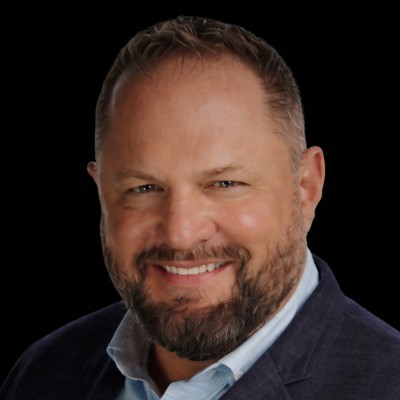 Robin Olds
Cisco, Senior Sales Business Development Manager
Robin Olds
Cisco, Senior Sales Business Development Manager
The Backbone of AI Infrastructure
A candid, on-the-ground perspective on the barriers fiber providers face as they work to meet growing compute and power demands — including permitting delays, rights-of-way challenges, environmental reviews, workforce constraints, and inconsistencies across federal, state, and local processes. We’ll connect broadband deployment policy directly to critical infrastructure protection, cybersecurity resilience, and long-term economic competitiveness.
 Marissa Mitrovich
FBA, VP of Public Policy
Marissa Mitrovich
FBA, VP of Public Policy
 Thomas Tyler
C207 Partners, Co-Founder
Thomas Tyler
C207 Partners, Co-Founder
 Jordan Gross
Lumen Technologies, Director of Government Affairs for Lumen Technologies
Jordan Gross
Lumen Technologies, Director of Government Affairs for Lumen Technologies
If You Build It, They Won’t Necessarily Come: Acquiring and Keeping Subscribers Through Broadband Adoption Strategies
Building the infrastructure is only half the battle in broadband: to sustain that network, you need subscribers. Whether it’s making the case to older adults to use telehealth, helping local entrepreneurs bring a small business online, or letting parents stay in touch with their children’s schools, potential subscribers need to know the why and the how. That’s where digital inclusion programs come in, helping community members see broadband’s value in their day-to-day lives and teaching them how to use it safely and effectively. Join digital inclusion experts to discuss on the ground knowledge of barriers and best practices to broadband adoption. We’ll cover affordability, digital skills, safety and security, and digital confidence – all through looking at real examples that can provide a roadmap to drive broadband adoption in your community.
 Angela Siefer
NDIA, Executive Director
Angela Siefer
NDIA, Executive Director
 Cassie Bair
35 Mile Foundation, VP of Broadband Services
Cassie Bair
35 Mile Foundation, VP of Broadband Services
 Caroline Stratton
Benton Institute, Research Director
Caroline Stratton
Benton Institute, Research Director
 Calen Schultz
Performance Culture Consulting, Managing Director
Calen Schultz
Performance Culture Consulting, Managing Director
Cutting Through the Noise: What Data Centers Mean for You, Your Community, and Our Country
This session will ground the ongoing debate over data centers in facts about the unprecedented scale and scope of disruption being caused by AI and its demands for power, water, land, and data capacity. Hear first-hand from those building this digital infrastructure about how they navigate these issues in their pursuit of responsible but rapid construction, and the interplay with and lessons for the broadband sector.
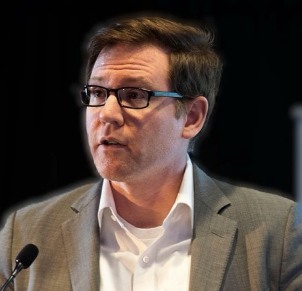 Michael Santorelli
NYLS, Director, Advanced Communications Law & Policy Institute
Michael Santorelli
NYLS, Director, Advanced Communications Law & Policy Institute
 John Stephenson
Vantage Data Centers, SVP Public Policy
John Stephenson
Vantage Data Centers, SVP Public Policy
Spectrum, FWA & Mobility: FCC Priorities in the Current Administration
The Federal Communications Commission is playing a large role in the future of universal connectivity, with a current focus on aggressively expanding mid-band spectrum for 5G/6G, streamlining satellite-to-smartphone connectivity to eliminate dead zones, and fostering competition in Fixed Wireless Access (FWA) and mobility by moving underutilized airwaves into the hands of providers. This session will explore how the FCC is marking the 30-year anniversary of the Telecommunications Act of 1996 with sweeping change — and how these policy decisions will set the stage for the next generation of innovation and investment.
 Matt Schmit
Silicon Flatirons Center for Law, Executive Director
Matt Schmit
Silicon Flatirons Center for Law, Executive Director
 David Don
Silicon Flatirons, Senior Fellow
David Don
Silicon Flatirons, Senior Fellow
 Lene Schulze
Nord Strategies, Principal
Lene Schulze
Nord Strategies, Principal
 Emil Olbrich
PrimeLime Wireless Consulting, President
Emil Olbrich
PrimeLime Wireless Consulting, President
 Karen White
Michael Baker International, VP National Broadband Practice
Karen White
Michael Baker International, VP National Broadband Practice
How an IRS Rule is Unlocking Public Broadband Finance in Rural America
Kendall County, Illinois had 10,000 addresses that no carrier would build to and a grant award that covered a fraction of the cost.
• How the structure works and why it qualifies for tax-exempt bond financing
• How grant dollars and bond proceeds stack to close the capital gap
• Why this model can be a genuine alternative to municipal ownership or private carrier deployment in underserved markets
• Risks, tradeoffs, and questions to evaluate beforehand
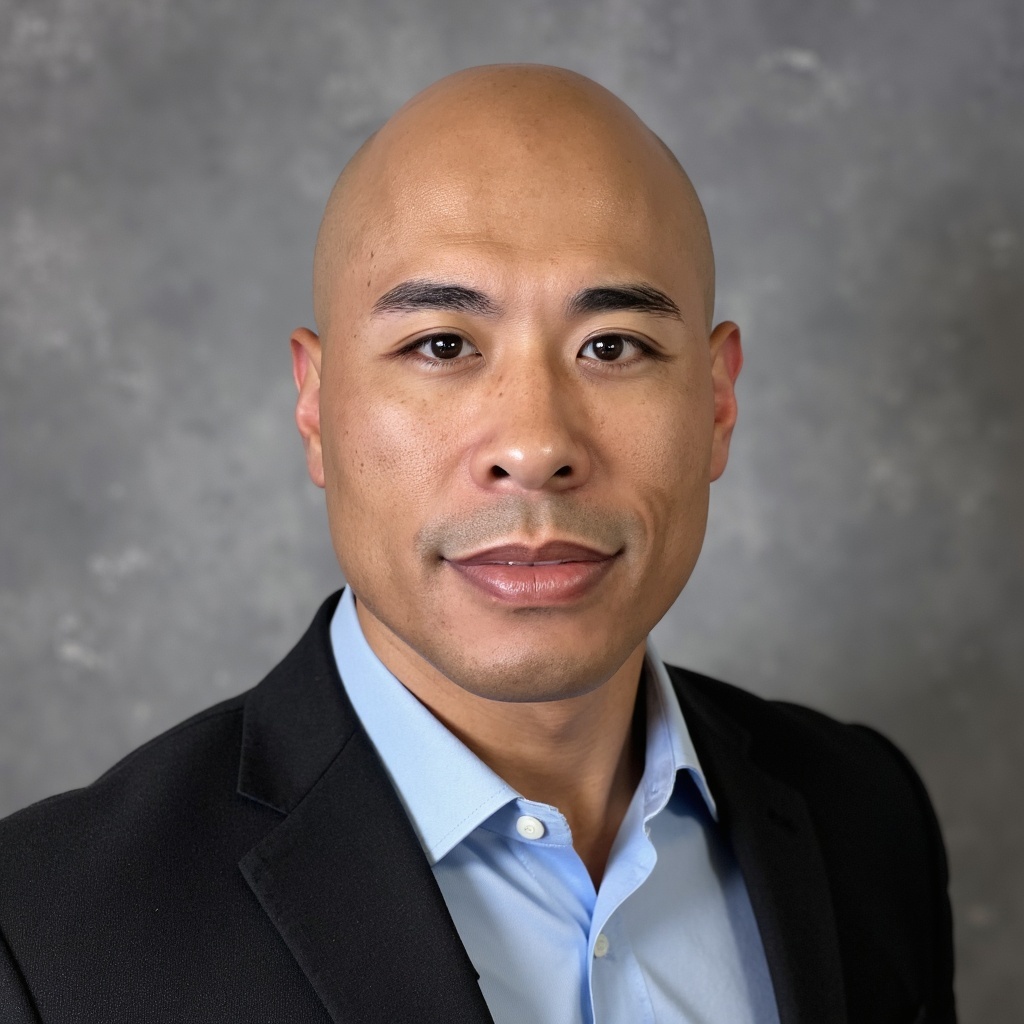 Kevin Uyeno
Pivot-Tech Development, VP & Chief of Staff
Kevin Uyeno
Pivot-Tech Development, VP & Chief of Staff
 Jim Anderson
Municipal Capital Markets Group, Senior Vice President, Director
Jim Anderson
Municipal Capital Markets Group, Senior Vice President, Director
 Jim Cannon
Pivot Tech, CEO & Founder
Jim Cannon
Pivot Tech, CEO & Founder
Permitting Barriers & Successes in BEAD Deployment
Permitting is one of the most critical—and complex—factors shaping the success of BEAD-funded broadband deployment in the Western United States. This panel brings together state broadband leaders to discuss real-world permitting barriers encountered across rural, tribal, and federally managed lands, and the strategies states are using to overcome them.
Panelists will explore challenges such as environmental review timelines, rights-of-way approvals, limited local permitting capacity, and inconsistent jurisdictional requirements. The discussion will also highlight successful approaches, including centralized state coordination, early engagement with federal land management agencies, standardized permitting frameworks, and collaborative partnerships with tribal and local governments.
Designed for state broadband offices, policymakers, and providers, this session will offer practical insights and transferable best practices to reduce delays, increase certainty, and accelerate BEAD implementation while respecting environmental, tribal, and local governance considerations.
 Kimberly Glineski
Idaho Broadband Office, Project Manager
Kimberly Glineski
Idaho Broadband Office, Project Manager
 Shawna Taets
Illinois SBO, Broadband Policy Manager
Shawna Taets
Illinois SBO, Broadband Policy Manager
 Nick Pexton
Co-Founder & VP of Reliance Engineering Services
Nick Pexton
Co-Founder & VP of Reliance Engineering Services
Securing the AI Data Center Boom
Key Takeaways:
- Collaboration beats prescription: State policymakers can better manage AI data center risks by partnering with manufacturers, operators, and standards organizations rather than relying on rigid mandates.
- Standards provide a neutral policy tool: Voluntary, globally recognized standards offer states a trusted way to encourage security, reliability, and sustainability while preserving flexibility and innovation.
-
Colorado offers a roadmap for other states: By leveraging standards, incentives, and energy policy alignment, Colorado demonstrates how states can balance rapid data center growth with community and infrastructure priorities.
 Melissa Newman
Telecommunications Industry Association, VP
Melissa Newman
Telecommunications Industry Association, VP
 Brandy Reitter
Colorado Broadband Office, Executive Director
Brandy Reitter
Colorado Broadband Office, Executive Director
- 10 Aug All-Conference Sessions
- 12 Aug Deployment, Workforce & Execution
- 12 Aug ISP Economics & Sustainability
- 12 Aug Networks, Operations & Compute Infrastructure
- 12 Aug Policy, Security & Critical Infrastructure
Mountain Connect Golf Tournament
4900 Himalaya Rd. Denver, CO 80249 303 371-3131
Registration Open
Connecting Every Building at Scale: Digitizing In-Building Fiber Deployment with NET Inhouse
-
Digitizing in-building fiber surveys using 3D scans and digital twins
-
Planning installation routes directly in the building model
-
Streamlining owner, customer, and stakeholder approvals
-
Reducing errors and rework through structured checklists and material logic
-
Improving visibility across orders, teams, documentation status, and QA
-
Supporting audit readiness and operational handover through automated as-built documentation
-
Accelerating MDU and commercial building connectivity at scale
 Falko Hansch
TKI Infrastructure Solutions, Product Strategy
Falko Hansch
TKI Infrastructure Solutions, Product Strategy
 Niki Carnahan
TKI Infrastructure Solutions, Director of North America Sales & Operations
Niki Carnahan
TKI Infrastructure Solutions, Director of North America Sales & Operations
 Will Bender
TKI Infrastructure Solutions, Solutions Engineer
Will Bender
TKI Infrastructure Solutions, Solutions Engineer
 Jan H. Schindler
TKI Infrastructure Solutions, EVP
Jan H. Schindler
TKI Infrastructure Solutions, EVP
ISP Focus Groups on Broadband Deployment Barriers
Insights from these discussions will inform research briefs for policymakers, broadband offices, legislative staff, and other stakeholders working to implement broadband infrastructure programs. All contributions will be anonymized and not attributable to a specific person or ISP. Our goal is not simply to document challenges, but to identify actionable solutions that can accelerate broadband deployment while maintaining strong accountability and consumer protections.
What: 45-60 minute group discussions, anonymized responses
When/Where: August 10, 3:30 pm, Governors Square 16
If you are interested in participating, please take two minutes to complete this brief screener so we can assemble balanced groups of providers.
Thank you for considering participation. Your experience and insight is essential to ensuring that broadband policy reflects the realities of network deployment.
Caroline Stratton
Benton Institute, Research Director
Welcome Reception
Meet and greet fellow attendees. You will find a Unique Surprise… but a Decision Awaits.
Supply Chain & Material Planning Realities: Lessons Learned from BEAD
As BEAD-funded projects move from planning into large scale execution, one challenge is emerging as the defining factor for success: material readiness and supply chain alignment. Across states, ISPs, engineering partners, and vendors, organizations are now confronting the practical realities of sourcing, forecasting, logistics, and deployment sequencing at a national scale. The lessons learned from early BEAD procurement cycles are already reshaping how providers plan, budget, and build. This panel, moderated by Ashley Travers, Vice President of Strategic Partnerships at KGPCo, will bring together perspectives from a service provider, a technology vendor, and a deployment or engineering partner to explore where supply chain delays are occurring, why they happen, and how the industry can better prepare for the next wave of BEAD-driven demand. Panelists will examine:
- Material planning lessons learned from the first wave of BEAD procurement
- How state timelines, NTIA requirements, and real-world supply chain cycles are misaligned—and strategies to close the gap
- The critical bottlenecks most likely to stall BEAD builds (fiber, electronics, permitting, logistics, workforce)
- Proven approaches from large-scale deployments that translate directly to BEAD execution
- How ISPs, vendors, and integrators can collaborate to de risk procurement, improve forecasting, and strengthen supplier partnerships
Attendees will gain a clear understanding of the supply chain and material planning realities shaping BEAD’s next two years, along with actionable strategies to reduce delays, improve readiness, and accelerate deployment. This session is designed for state broadband leaders, ISPs, engineering firms, and ecosystem partners seeking real world insight into what it will take to deliver BEAD-funded networks at scale.
 Ashley Travers
KGPCo, VP Strategic Partnerships
Ashley Travers
KGPCo, VP Strategic Partnerships
 Bill Blackford
CEO and General Manager, FTI WiFi
Bill Blackford
CEO and General Manager, FTI WiFi
 Bob Whitman
Corning, VP Market Development
Bob Whitman
Corning, VP Market Development
 Todd Way
Douglas Fast Net, CEO
Todd Way
Douglas Fast Net, CEO
Utilities as Infrastructure Partners: New Rules for Make-Ready in 2026
Real World Best Practices in Developing, Negotiating, and Implementing Infrastructure Access Agreements with Utilities From pole attachment agreements to fiber lease agreements building, maintaining, and extending facilities-based broadband networks often involves a need to access utility or other third-party infrastructure. Increasingly, utilities are partners in these projects. This session will address best practices for developing and managing these agreements in a constructive and mutually beneficial manner. The session will explore:
- The scope of current and new federal pole attachment make-ready regulations;
- Key issues and considerations for successfully addressing bulk deployments in previously unserved areas;
- Managing carrier and utility expectations;
- Utilities as participants in public private broadband partnerships.
 Sean Stokes
Keller & Heckman, Partner
Sean Stokes
Keller & Heckman, Partner
 Waylon Smeathers
CPS Energy, Manager, Pole Attachment Services
Waylon Smeathers
CPS Energy, Manager, Pole Attachment Services
Workforce Gaps: Training Programs That Work
This panel will examine how employers, educators, and workforce leaders can close talent shortages through training models that are practical, scalable, and aligned to real labor-market needs. Drawing on proven approaches such as employer-led pathways, apprenticeships, and work-based learning, the discussion will explore what successful programs tend to share: clear links to strong employer engagement and measurable outcomes for both workers and businesses.
 Stacey Slaughter
NCTI, CEO
Stacey Slaughter
NCTI, CEO
 Dr. Cheryl D. Calhoun
Community College Baccalaureate Association, CEO
Dr. Cheryl D. Calhoun
Community College Baccalaureate Association, CEO
 Abbie O'Dell
Charter Communications, Sr. Director, Learning Services
Abbie O'Dell
Charter Communications, Sr. Director, Learning Services
AI for the ISP Back Offices
 Lindsay Kelley
Sonar Software, Vice President of Growth
Lindsay Kelley
Sonar Software, Vice President of Growth
 George B. Thomas
Founder, Sidekick Strategies
George B. Thomas
Founder, Sidekick Strategies
Did We Get the Benefit of the Bargain?
What’s Gone Right, What’s Gone Wrong, and What We Don’t Know.
This panel will offer perspectives from industry stakeholders and experts on the time between the Benefit of the Bargain and putting shovels in the ground. The discussion will focus on technology selection, subgrant agreement negotiation, why provisional subgrantees are walking away, and what states are doing about it – the buildup to bringing broadband to the unserved. The panelists will also look to the future of the BEAD program and what it will take to be successful.
 Steve Coran
Lerman Senter, Attorney
Bree Maki
Minnesota, Executive Director of the Office of Broadband Development
Steve Coran
Lerman Senter, Attorney
Bree Maki
Minnesota, Executive Director of the Office of Broadband Development
 Chad Bolling
Wyoming, Broadband Manager
Chad Bolling
Wyoming, Broadband Manager
Preventing the BEAD Pole Dance
As BEAD projects are poised to start coming online, the deployment timeframe will be set for projects around the country, which can turn into a point of leverage for pole owners to delay and extract unreasonably high attachment fees from the ISPs trying to deploy broadband in these areas.
 Greg Guice
Vernonburg Group, Chief Policy Officer
Greg Guice
Vernonburg Group, Chief Policy Officer
 Paul Garnett
Vernonburg Group, Founder & CEO
Paul Garnett
Vernonburg Group, Founder & CEO
 Alison Vaughan Terry
Colorado Broadband Office, Strategy Officer
Alison Vaughan Terry
Colorado Broadband Office, Strategy Officer
 Mark Vasconi
Vasconi Consulting, Principal
Mark Vasconi
Vasconi Consulting, Principal
Mo Money, Mo Problems: The Post-Award Reality of BEAD Funding
Post-award execution is where broadband projects become financially and operationally real. This session brings together the ISP and compliance perspectives to examine the decisions and systems that operators need after award: negotiating requirements and terms, managing reimbursement timing, tracking buildout, coordinating lenders and vendors, and keeping records strong enough to support payment and withstand review.
Rather than treating compliance as a back-end paperwork exercise, the discussion will show how finance, operations, procurement, reporting, and documentation work together from the start to keep funded projects moving and reduce the risk of delays, disputes, audit findings, or repayment.
 Erin Loughney
Widelity, Senior Manager
Erin Loughney
Widelity, Senior Manager
 Ryan Schmidt
Union, Director of Engineering
Ryan Schmidt
Union, Director of Engineering
 Chris Pedersen
Connected Nation, EVP of Development & Planning
Chris Pedersen
Connected Nation, EVP of Development & Planning
Competitiveness is a Journey, not a Destination
Broadband leaders have more operational data than ever before, yet many still struggle to answer a simple question: How competitive are we? This session explores why competitive position has become one of the most important leadership metrics and introduces a practical framework for continuously understanding where your organization stands, where it should focus next, and how to measure progress over time.
 Bill Wallet
Adoptex, Founder & CEO
Bill Wallet
Adoptex, Founder & CEO
 Lawrence Cross
Adoptex, Chief Scientist
Lawrence Cross
Adoptex, Chief Scientist
AI Workloads: New Rules of Fiber Infrastructure
AI compute workloads are no longer confined to hyperscale campuses. As training clusters expand and inference moves closer to users, operators across regional, utility, and broadband networks are beginning to feel the infrastructure impact.
AI is driving unprecedented traffic growth, accelerating the shift from 400G to 800G and beyond, and introducing new low-latency requirements that challenge traditional metro and DCI design assumptions.
This session will explore how AI-driven compute is reshaping practical network architecture decisions, from fiber topology and spectrum utilization to power adjacency and automation. As data centers seek proximity to generation sources and rural markets become strategic interconnect points, fiber and power planning can no longer operate independently. Operators must rethink ring vs. mesh designs, regeneration strategy and fiber utilization to support multi-campus GPU fabrics and scalable DCI deployments. Equally critical is operational readiness. AI customers expect infrastructure to deploy in weeks, not months. Zero-touch provisioning, automated span equalization, integrated monitoring, and resilient optical architectures are becoming baseline requirements – not differentiators.
Attendees will leave with a clear understanding of how AI workloads are influencing fiber density planning, metro architecture, and operational tooling, along with practical considerations for building networks that can support the next wave of compute infrastructure reliably, efficiently, and at scale.
 James Feger
Adtran, Strategic Advisor
James Feger
Adtran, Strategic Advisor
 Jim Brinksma
LightRiver, CTO
Jim Brinksma
LightRiver, CTO
Critical Infrastructure in the Connected Age: Cybersecurity, Power, and Network Resilience
Broadband networks, electric grids, public safety systems, and municipal IT infrastructure form the backbone of modern communities—but they are increasingly exposed to cyber threats, power disruptions, and operational risks.
This panel brings together experts in operational technology cybersecurity, power resilience, and wireless connectivity to examine how cities, counties, electric cooperatives, and school systems can strengthen the security and reliability of the systems they depend on. Panelists will discuss emerging threats to critical infrastructure, lessons learned from recent incidents, evolving regulatory and policy considerations, and practical approaches to improving resilience across interconnected community networks.
 Dan McVaugh
Consultant
Dan McVaugh
Consultant
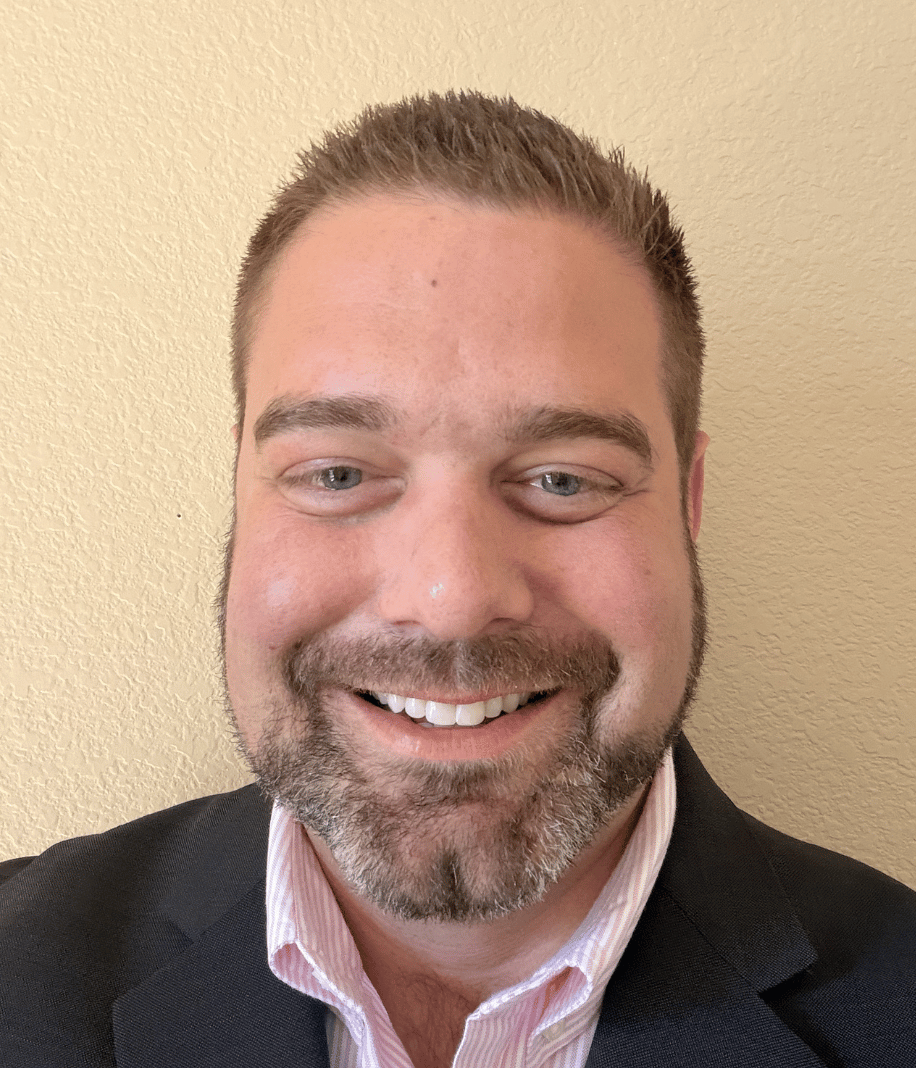 Jeremy Dreyer
SkyHelm, Founder and CEO
Jeremy Dreyer
SkyHelm, Founder and CEO
 John Seaman
Cambium Networks, Western Region Sales Manager
John Seaman
Cambium Networks, Western Region Sales Manager
 Nick Bonomo
Castle Rock Microwave, System Engineer
Nick Bonomo
Castle Rock Microwave, System Engineer
Fiber Networks for AI and Data Centers: From the Middle Mile to the Edge
Data center connectivity in support of AI has led to incredible investment in long-haul and middle-mile fiber builds. The unprecedented demand for fiber optic capacity — often in rural areas — creates significant opportunities for fiber providers that can manage hyperscaler requirements and deploy quickly.
But a new round of investment in AI compute capacity at the network edge requires fiber connectivity as well. This session will explore:
- The current state of the data center and edge computer fiber connectivity market
- Strategies and tactics for negotiating deployment deals with hyperscalers and edge compute providers
- Key challenges, including local permitting, workforce availability, and fiber optic supply
 Casey Lide
Keller & Heckman, Partner
Casey Lide
Keller & Heckman, Partner
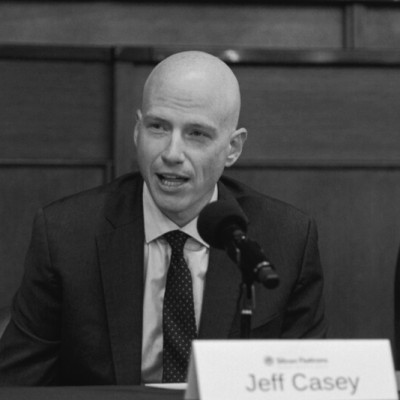 Jeffrey R. Casey
Burns & McDonnell, Director
Jeffrey R. Casey
Burns & McDonnell, Director
Putting it All Together: What's Next with Infrastructure for Data Centers, AI and Quantum
Mountain Connect 2026 takes on the most pressing infrastructure issue of the year — and of the next internet era: building the data center, network, and compute capacity required for rapid advances in artificial intelligence and quantum. Keynotes, panels, and roundtables throughout the conference address various aspects of this overarching theme. As an open discussion among all in attendance, this panel will take stock of these conversations, synthesize a throughline of the complementary threads, and identify next steps for leading thinkers and doers in the broader industry — to help us all get this essential private investment, public policy, and local regulation right.
Matt Schmit
Silicon Flatirons Center for Law, Executive Director
Michael Santorelli
NYLS, Director, Advanced Communications Law & Policy Institute
 Gordon Dolven
CBRE, Research Director – Americas Data Centers
Gordon Dolven
CBRE, Research Director – Americas Data Centers
BEAD Jeopardy! The Compliance Games
Everyone has attended presentations on BEAD compliance, permitting, environmental review, grant management, and construction. This isn’t one of them.
Join us for an interactive game of BEAD Jeopardy! where attendees compete to solve real-world scenarios, decode federal acronyms, identify compliance pitfalls, and separate broadband fact from fiction. Questions range from easy warm-ups to challenging situations drawn from actual BEAD implementation, covering everything from environmental reviews and reimbursement requests to milestone acceptance, performance testing, audits, and project closeout.
Whether you’re with a State Broadband Office, ISP, engineering firm, consultant, or grant management team, you’ll leave with practical knowledge, a few laughs, and perhaps a newfound appreciation for just how much there is to know about BEAD.
No buzzers required—just bring your competitive spirit.
 Brian Mitchell
ITG Communications, Principal Consultant
Brian Mitchell
ITG Communications, Principal Consultant
 Heather Mills
ITG Communications, Principal Consultant
Heather Mills
ITG Communications, Principal Consultant
 Adam Quinlan
ITG Communications, Vice President of Consulting
Adam Quinlan
ITG Communications, Vice President of Consulting
It's Not Sexy, But Its Critical
- Is it secure?
- Is it survivable?
- Is it sellable?
 Craig Gralapp
CHR Solutions, Software Territory Director
Craig Gralapp
CHR Solutions, Software Territory Director
 Chris Aal
CHR Solutions, Software Territory Director
Chris Aal
CHR Solutions, Software Territory Director
When Ground Zero is your Kitchen Table
 Ryan Kudera
Essentia, Inc., Director of Broadband Solutions
Ryan Kudera
Essentia, Inc., Director of Broadband Solutions
 Russell Elliott
Siskiyou Telephone Company, CEO
Russell Elliott
Siskiyou Telephone Company, CEO
 Jason Malmquist
CHR Solutions, Engineering Account Director
Jason Malmquist
CHR Solutions, Engineering Account Director
Community Anchors at a Crossroads: What's Next for E-Rate and Universal Service?
The FCC is considering significant changes to the Universal Service Fund, including proposals that could end the E-Rate program. For schools and libraries, the stakes are high: E-Rate has connected millions of students, enabled digital learning, and helped community anchor institutions serve as essential hubs for education, workforce development, telehealth, and public access.
This panel consists of technology leaders, broadband providers, and E-Rate advocates to examine what the FCC proceeding could mean for communities and the market. Panelists will discuss how E‑Rate currently creates stable demand and supports network investment, share frontline experiences negotiating service and upgrades, and identify the policy considerations providers and policymakers must weigh before making major changes. Changes to E‑Rate would alter revenue certainty, procurement practices, and investment calculus for providers, affecting pricing, deployment timelines, and willingness to serve low‑margin or hard‑to‑reach communities. Attendees will leave with a better understanding of how E-Rate contributes to the broadband ecosystem keeping America’s anchor institutions reliably connected.
 Kristen Corra
SHLB Coalition, Policy Counsel
Kristen Corra
SHLB Coalition, Policy Counsel
 Kelleigh Cole
Utah Education and Telehealth Network, Director of Policy and Communications
Kelleigh Cole
Utah Education and Telehealth Network, Director of Policy and Communications
 Tim Miles
Steamboat Springs Re-2, NCB, THOR, CEBC, Director
Tim Miles
Steamboat Springs Re-2, NCB, THOR, CEBC, Director
 Denise Atkinson-Shorey
Colorado Education Broadband Coalition
Denise Atkinson-Shorey
Colorado Education Broadband Coalition