Bonfire, Director of Business Development
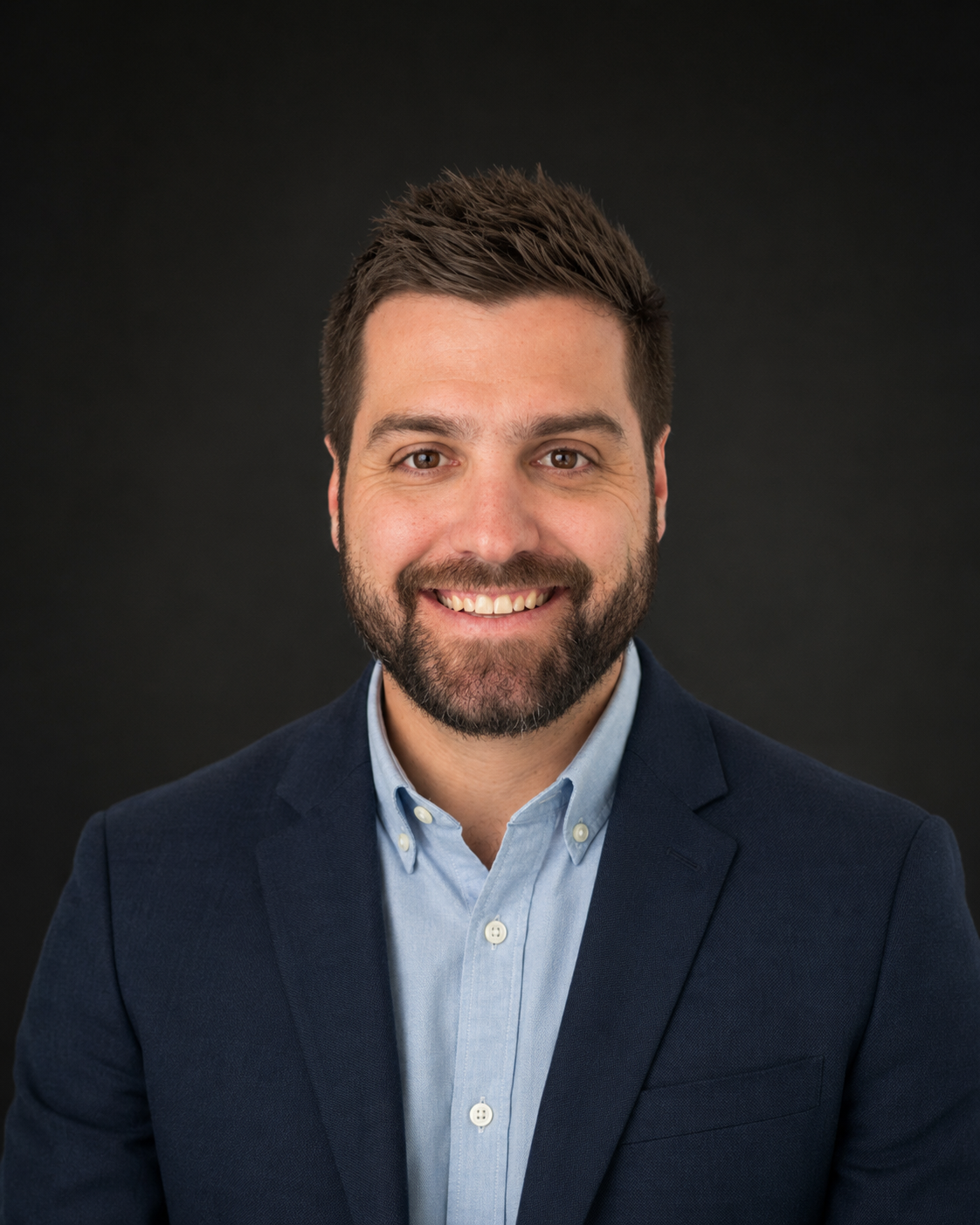
Drew Pappas is the Director of Business Development for Bonfire Infrastructure Group, where he helps communities, Tribal Nations, municipalities, utilities, and broadband providers develop and deliver transformative fiber infrastructure projects across the United States.
Having spent nearly a decade at Bonfire, Drew has advanced through field operations, engineering, client success, and business development, giving him a practical understanding of broadband deployment from the ground up. Today, he works with public and private stakeholders to develop strategies that turn broadband initiatives into successful, long-term infrastructure investments.
Drew's experience spans community broadband planning, open access networks, Tribal broadband initiatives, funding strategy, engineering, construction, and network operations. He is passionate about helping communities bridge the digital divide through collaborative partnerships and innovative deployment models. He enjoys sharing real-world lessons from complex broadband projects and discussing the policies, partnerships, and technologies shaping the future of connectivity.
The NTIA BEAD program has already allocated approximately 20 billion dollars in deployment funds. Eligible Entities and Subgrantees are actively planning, forecasting, scheduling, procuring, and designing. But what happens later on down the line? Local permitting is where deployment plans meet the real world—and sometimes collide with it.
This candid panel brings together state broadband leaders and on the ground practitioners to share stories about the challenges, surprises, and human moments behind local permitting. From unexpected roadblocks to hard won breakthroughs, attendees will hear what it really takes to navigate local permitting while keeping projects (and tempers) on track. This session will emphasize how early, consistent, and respectful engagement at the local level, including “boots on the ground,” can dramatically reduce delays and improve project outcomes. Panelists will explore how these relationships are especially critical in smaller jurisdictions where staff juggle multiple roles, and how, by investing in these partnerships, Subgrantees can unlock smoother reviews, clearer feedback loops, and more collaborative problem-solving throughout the permitting process. This panel will dive into real-world examples and highlight the human side of deployment: the towns that became partners, the jurisdictions that threw curveballs, as well as the collaborative relationships that helped move projects forward despite those obstacles.
Panelists will share best practices and what it’s like to navigate mismatched requirements, shifting timelines, seasonal moratoriums, and the occasional “lost” application.
If you’ve ever walked into a permit office with optimism and walked out feeling frustrated, this conversation is for you! Join us for honest stories, real world lessons, and shared discussion.