
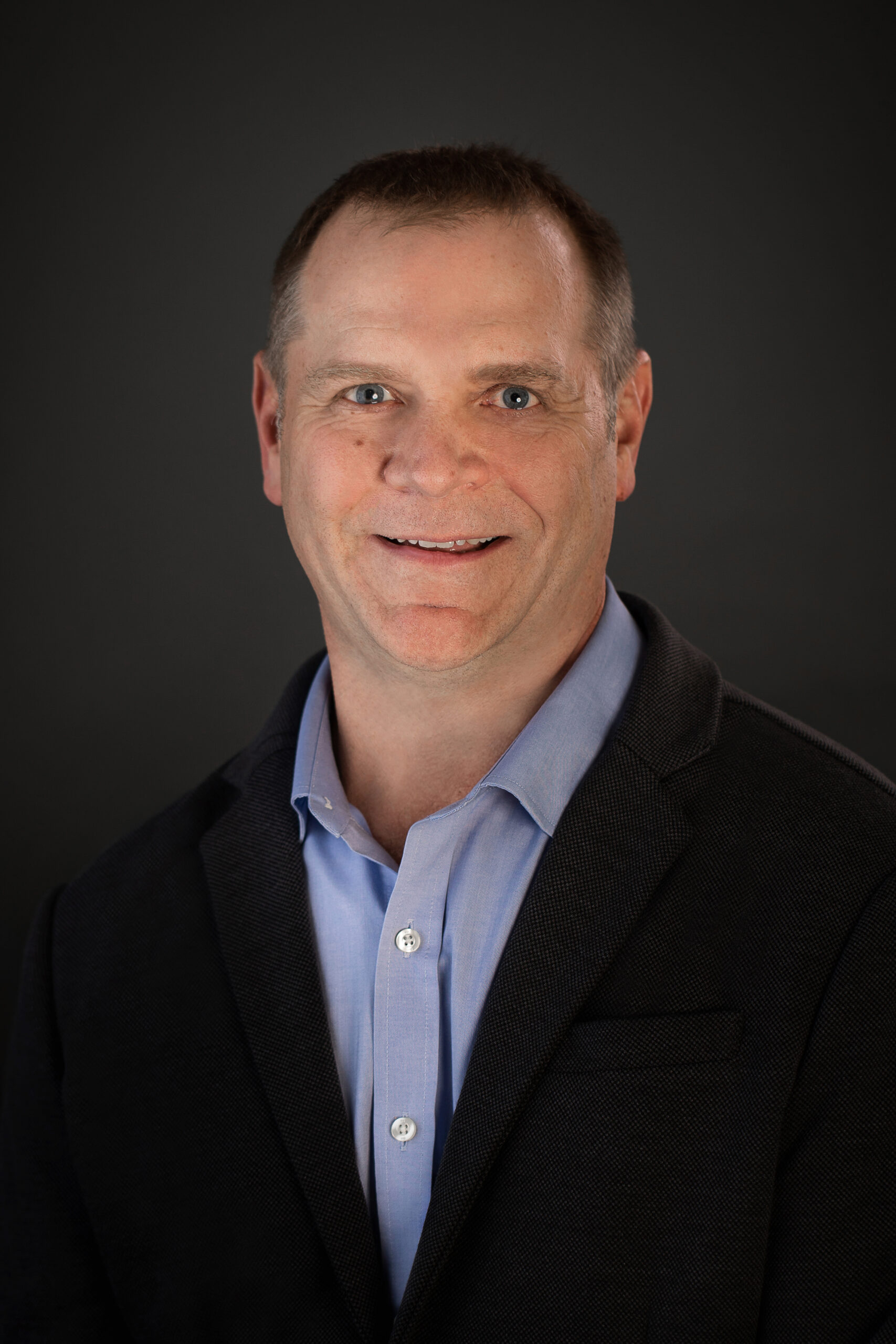
Douglas Fast Net, CEO
Todd Way has served as CEO of Douglas Fast Net (DFN) since 2007, leading the for-profit broadband subsidiary of Douglas Electric Cooperative. He holds an MBA and a B.S. in Construction Engineering Management, both from Oregon State University, where he graduated in 1995.
Todd began his career in telecommunications in 1991 with US West Communications, working across Oregon and Washington. In 2004, he became VP of Operations for Rio Communications, a competitive local exchange carrier based in Roseburg, Oregon, before taking the helm at DFN in 2007.
Under his leadership, DFN has grown from a 35-mile city fiber system into a network spanning more than 3,000 miles across Douglas, Lane, and Coos Counties. This expansion has been supported by DFN's participation in a range of funding programs, including BEAD, Capital Projects Fund, the FCC's Rural Broadband Experiment, CAF II, the Rural Digital Opportunity Fund, USAC's Schools and Libraries program, and Business Oregon.
Todd is active in several industry organizations, including the Fiber Broadband Association, the Oregon Broadband Association, FISPA, and the Utilities Technology Council.
As BEAD-funded projects move from planning into large scale execution, one challenge is emerging as the defining factor for success: material readiness and supply chain alignment. Across states, ISPs, engineering partners, and vendors, organizations are now confronting the practical realities of sourcing, forecasting, logistics, and deployment sequencing at a national scale. The lessons learned from early BEAD procurement cycles are already reshaping how providers plan, budget, and build. This panel, moderated by Ashley Travers, Vice President of Strategic Partnerships at KGPCo, will bring together perspectives from a service provider, a technology vendor, and a deployment or engineering partner to explore where supply chain delays are occurring, why they happen, and how the industry can better prepare for the next wave of BEAD-driven demand. Panelists will examine: